
Introduction to Garments Buying House Bangladesh
The global apparel trade moves quickly, but buyers still face the same basic challenge they faced years ago. They need the right product, at the right quality, at the right price, delivered at the right time. That sounds simple on paper, yet in practice it is one of the most complex processes in international business. Fabric selection, costing, compliance, production planning, quality control, finishing, packaging, shipment scheduling, and documentation all need to align. When even one area fails, the whole order can suffer. That is exactly why the role of a garments buying house Bangladesh has become so important in modern sourcing. Bangladesh has earned a strong global position as one of the world’s leading apparel manufacturing countries. International brands, retailers, importers, private labels, wholesalers, and startup fashion businesses all source from Bangladesh because the country offers strong manufacturing capacity, competitive prices, and deep experience in ready-made garments. However, sourcing directly from factories without proper local support can create avoidable complications. Buyers may struggle with factory selection, communication gaps, inconsistent quality, delayed timelines, or incomplete compliance understanding. A professional buying house reduces these risks and turns a complex sourcing process into a structured, manageable, and efficient operation.
Role of a Garments Buying House in Bangladesh
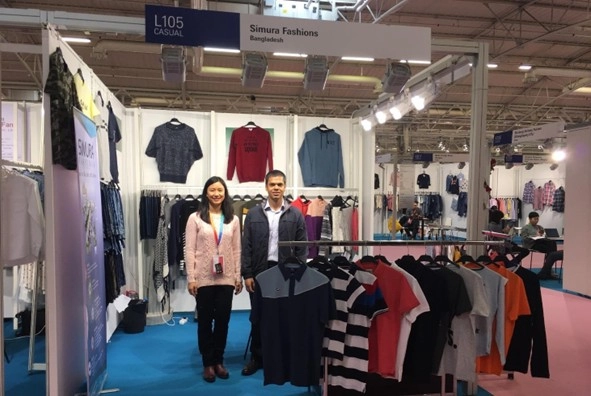
A garments buying house in Bangladesh acts as a bridge between international buyers and garment manufacturers. It does not simply pass orders from one side to another. A reliable buying house actively manages the sourcing cycle from product development to final delivery. It evaluates factories, negotiates pricing, supervises sampling, checks quality, tracks production, manages timelines, and supports export documentation. In other words, it helps buyers source with more confidence and less uncertainty. For brands that want consistency, flexibility, and dependable support, this model offers significant advantages. That is where Simura Fashions becomes highly relevant. As a professional apparel sourcing company, Simura Fashions supports buyers who want a trusted sourcing partner in Bangladesh. The company works to simplify sourcing, improve communication, maintain standards, and help buyers develop products that are commercially strong and production-ready. In a highly competitive apparel market, that kind of structured support matters.
Purpose of This Garments Buying House Guide
The subject of this guide is not simply fashion manufacturing in general. This guide is specifically focused on the full meaning and value of a garments buying house Bangladesh model, and on how buyers can use that model effectively. It is also designed to show how a sourcing company like Simura Fashions helps clients develop products, find the right manufacturing support, and build long-term sourcing success in Bangladesh. This guide will move step by step through the full sourcing journey. It will explain what a garments buying house does, why Bangladesh is such a strong sourcing base, what buyers should expect from a sourcing partner, how quality control works, how product development starts, and how sourcing becomes more strategic when handled by an experienced team. In this first part, the focus is on building a strong foundation. Before a buyer can make good sourcing decisions, they need to fully understand what a garments buying house is, why it matters, and how it supports apparel business growth.
Why Bangladesh Is a Global Apparel Sourcing Powerhouse
To understand the importance of a garment buying house in Bangladesh, it is necessary to understand why Bangladesh itself has become such a major apparel sourcing destination. Bangladesh is no longer viewed only as a low-cost production country. It is now recognized as one of the most important apparel manufacturing hubs in the world. The country supplies garments to major global markets including the United States, Canada, the United Kingdom, Germany, France, Spain, Italy, the Netherlands, Australia, and many others. Large retailers, fashion chains, importers, and startup brands all depend on Bangladesh for a wide range of apparel products. Several factors explain this strength. One of the biggest is scale. Bangladesh has a very large garment manufacturing base. Thousands of factories operate across knitwear and woven categories, giving buyers access to broad sourcing capacity. This scale allows the country to support both large-volume retail programs and many specialized product categories. Buyers looking for t-shirts, polo shirts, sweatshirts, hoodies, fashion basics, uniforms, promotional garments, children’s apparel, and casualwear often find Bangladesh highly competitive. Another major strength is workforce experience. Bangladesh has decades of hands-on garment manufacturing expertise. This experience is not limited to sewing alone. It extends into merchandising, product development, quality control, industrial engineering, knitting, dyeing, washing, embroidery, printing, finishing, and packing. This deep industrial ecosystem gives buyers access to a more complete production environment.
Cost Competitiveness and Structured Sourcing Support
Cost competitiveness also remains a strong factor. Bangladesh is widely known for offering good value in apparel manufacturing. While price should never be the only reason to source from a country, commercial competitiveness matters. Buyers want to build a healthy margin structure while maintaining quality. Bangladesh often provides that balance, especially in knitwear and basic-to-midrange apparel segments. Infrastructure and export orientation have also improved. Over time, the country’s apparel sector has become more organized, more compliance-focused, and more experienced in serving international clients. Many factories now maintain strong compliance systems and work with globally recognized standards. Buyers increasingly view Bangladesh not just as a low-cost source, but as a serious apparel production base with strong export discipline. Even so, Bangladesh is a broad and complex sourcing market. Buyers cannot assume that all suppliers offer the same level of capability, consistency, or service. This is exactly why the role of a clothing buying house Bangladesh partner remains so valuable. A buying house helps buyers benefit from Bangladesh’s strengths while reducing the risks that come from supplier mismatch, weak communication, or poor production management.
The Strategic Role of Simura Fashions in Apparel Sourcing Bangladesh
Why Buyers Prefer a Buying House Instead of Sourcing Alone
Key Advantages of Working with a Garments Buying House Bangladesh
At first glance, some buyers believe sourcing directly from factories is simpler or more cost-effective. In reality, this approach works well only when the buyer has strong local knowledge, established factory relationships, and a capable team to manage production. Without these, challenges arise in supplier selection, where price alone does not reflect quality, capacity, or reliability. A factory may offer a low price but fail to meet required standards or delivery timelines. This is why many buyers prefer a garments buying house Bangladesh, which ensures proper factory evaluation and selection based on quality, capability, and consistency.
Managing Communication, Quality, and Timelines
In addition, managing communication, quality control, and production timelines can be complex. Apparel sourcing requires constant coordination on specifications, samples, approvals, and delivery schedules. A buying house simplifies this by acting as a central contact point, reducing communication gaps and ensuring smooth execution. It also introduces early quality checks and closely monitors production progress to prevent delays. For growing brands and retailers, working with a buying house is not just convenient—it is a smarter and more reliable sourcing strategy.
Core Services of a Professional garment sourcing Bangladesh
To understand the value of a buying house more clearly, it helps to look closely at the services involved. A professional garments buying house company in Bangladesh typically covers multiple stages of the sourcing chain, and each stage matters. The first stage is requirement analysis. A buyer may send an inquiry with a style image, measurement sheet, tech pack, reference sample, or product description. The buying house studies these details carefully. At this point, the sourcing process already depends on judgment. The buying house needs to understand whether the design is practical, what fabric options suit the product, what factories are appropriate, and what cost range is realistic. The second stage is factory selection. A strong buying house does not send every inquiry to every factory. It identifies the best match based on category, quantity, compliance needs, and delivery timeline. This saves time and improves result quality. The third stage is development. This includes sourcing the correct fabric and trims, preparing prototypes, making fit samples, and revising the product until approval. Good development support is often the difference between smooth bulk production and repeated mistakes later.
Production, Quality Control, and Logistics Support
The fourth stage is commercial coordination. This includes pricing, MOQ discussion, lead-time confirmation, payment understanding, and order finalization. A professional buying house communicates clearly and prevents commercial confusion. The fifth stage is production follow-up. This is where many weaker suppliers fail. An experienced buying house actively tracks cutting, stitching, printing, embroidery, washing, finishing, and packing progress. It follows the order instead of waiting passively for factory updates. The sixth stage is quality control. Inspection should not be treated as a formality. It should be a controlled system that starts early enough to prevent quality drift. A buying house checks measurements, workmanship, fabric performance, print quality, sewing strength, finishing, and packaging compliance. The seventh stage is logistics and documentation support. Export garments require proper commercial paperwork and organized shipment handling. Buyers need confidence that the documentation will match shipment requirements. A good buying house helps ensure that orders are not only produced well, but also shipped properly.
How the Buying House Model Supports Different Types of Buyers
Not all buyers come to Bangladesh with the same level of experience or the same type of sourcing goal. The reason the garments buying house Bangladesh model works so well is that it can support different buyer profiles in different ways.n For a startup apparel brand, the biggest challenge may be product development and MOQ flexibility. New brands often have limited volumes, evolving designs, and less familiarity with production details. A buying house can guide them through the process and help them avoid costly mistakes. For an importer or wholesaler, the main priority may be commercial efficiency and repeat consistency. They may already know their target products and only need a reliable sourcing partner who can keep quality stable and delivery dependable. For a retailer, timing may be especially important. Seasonal fashion calendars and shelf deadlines require disciplined timeline control. A buying house helps manage that timeline and align production with sales windows. For a private label brand, packaging, labeling, product finishing, and brand presentation matter deeply. A sourcing company like Simura Fashions can help align production with the brand’s market position. For a larger international buyer, compliance and production scale may be critical. The buying house supports factory evaluation, coordination, and quality follow-up in a more structured way. This flexibility is one reason the buying house model remains strong across the apparel trade. It is not limited to one kind of customer. It is useful wherever sourcing complexity needs experienced management.
Understanding Product Categories in the Bangladesh Sourcing Environment
Bangladesh is especially strong in knitwear, casual apparel, and large-scale ready made garments. For buyers exploring the market, it is important to understand that different product categories require different sourcing approaches. A garments supplier buying house from Bangladesh should know which factories handle which categories effectively.
T shirts remain one of the most important categories in Bangladesh apparel sourcing. The market includes basic t shirts, blank t shirts, custom t shirts, printed t shirts, cotton t shirts, graphic t shirts, premium t shirts, slim fit t shirts, oversized t shirt designs, breathable t shirts, casual t shirts, bulk t shirts, unisex t shirts, and many more. Buyers sourcing for promotional wear, fashion labels, retail basics, or streetwear collections often turn to Bangladesh because of its strong knitwear base. Polo shirts are another key product. They are widely used in casualwear, uniforms, clubwear, corporate branding, and semi-formal apparel segments. Polo manufacturing requires close attention to collars, plackets, rib details, color consistency, and fabric structure. A buying house helps ensure that these technical points are controlled from sample stage onward.
Long sleeve shirts, fashion shirts, casual shirts, sweatshirts, hoodies, sweatpants, kids t shirts, and other categories also play an important role. Each category has different trim requirements, fabric behavior, construction details, and quality risks. This is why category-specific sourcing knowledge matters so much. A buyer may come with a simple request for a t shirt, but the production details can vary greatly depending on fabric composition, GSM, print type, fit, wash process, label requirement, shrinkage expectation, and end market. A professional buying house understands these details and helps align the order correctly.

The Real Meaning of Apparel Sourcing Bangladesh
The phrase apparel sourcing Bangladesh is often used broadly, but it means much more than finding a manufacturer. True sourcing includes product planning, vendor alignment, commercial structure, quality management, and delivery execution. It is both strategic and operational. Strategically, sourcing means choosing the right country, the right product category, the right supplier structure, and the right cost-quality balance. Operationally, sourcing means turning that plan into physical production and successful shipment. When buyers work with Simura Fashions, the sourcing process becomes more structured. The company helps connect product vision with local manufacturing reality. That matters because the apparel business is full of details that are easy to overlook. A sourcing partner that understands both product and process can help buyers avoid inconsistency and improve repeat order performance. In that sense, a garments buying house Bangladesh is not a side service. It is often central to sourcing success.
Common Problems Buyers Face Without a Strong Buying House
The value of a buying house becomes even clearer when we examine the challenges buyers face while sourcing independently. Buyers often overemphasize price and choose the lowest quote without fully understanding that the supplier may have misunderstood specifications or underestimated quality requirements. This approach often leads to fabric inconsistency, poor finishing, or shipment delays. Technical miscommunication creates another major issue. Buyers may send detailed comments on samples, but factories may not accurately translate those comments into corrected bulk production instructions. As a result, minor sample issues can quickly escalate into large-scale production problems when communication remains weak.
Buyers also face quality surprises during delivery. Products may look acceptable in photos, but closer inspection often reveals issues such as measurement deviations, rushed finishing, or inconsistent construction across size ranges. A buying house actively reduces these risks by establishing multiple physical control points throughout the production process, ensuring greater accuracy, consistency, and reliability.
Shipment delays can also damage business performance. Apparel is often tied to seasonality, promotion timing, or retail planning. A late shipment may mean missed sales opportunities. A sourcing company that tracks lead times actively is a major advantage. Documentation mistakes can create customs issues, cost delays, or clearance problems. Export garments need organized paperwork and disciplined coordination. Buyers rarely want to manage that complexity alone in a foreign market. All of these issues show the same basic truth. Apparel sourcing is not just about finding someone who can sew garments. It is about managing a chain of decisions and operations. A strong buying house helps control that chain.
How Simura Fashions Adds Commercial and Operational Confidence
Confidence is one of the most valuable things a sourcing partner can offer. Buyers do not want uncertainty around every order. They want to know that the product will be developed correctly, the supplier will be chosen carefully, the quality will be monitored properly, and the shipment will move with discipline. That is the broader role of Simura Fashions. The company supports buyers at the point where product concept becomes real production. That includes discussing the garment in practical terms, not only visual terms. Buyers may want a certain look, but the production side also needs to address fabric weight, print quality, shrinkage tolerance, sewing standard, finishing detail, and packing requirement. Simura Fashions helps structure this information properly. The company also adds confidence by improving sourcing visibility. Many buyers worry because they do not know exactly what is happening inside the supply chain once the order is placed. A professional buying house reduces that uncertainty through structured follow-up and clear communication.
Commercially, Simura Fashions helps buyers approach sourcing in a way that supports business growth rather than short-term transactions only. A garment that is cheap but inconsistent may hurt reorders and brand value. A garment that is well-developed, correctly costed, and properly managed is more likely to support long-term success.
Why This Topic Matters for SEO and Real Buyers Alike
The keyword garments buying house Bangladesh is not only important from an SEO perspective. It also reflects a genuine search intent. People searching for this phrase usually want one of several things.Potential buyers often want to understand what a buying house does. Many look for a reliable sourcing partner in Bangladesh, while others aim to compare factories with buying houses. For new importers, learning how to start sourcing from Bangladesh is a key concern. In addition, businesses may need support with private label production, bulk t-shirts, polo shirts, sweatshirts, or other apparel categories. Some are also searching for a trusted company profile of a garments buying house. This is why the content around this keyphrase needs to be broad, informative, and commercially relevant, as thin content will not satisfy either search engines or human readers.
A garments buying house Bangladesh plays a central role in modern apparel sourcing because it transforms a complex manufacturing process into a more controlled and efficient business system. Bangladesh offers strong global advantages in garment production, but those advantages deliver their best results when buyers work with experienced sourcing support. That support helps them choose better factories, communicate more clearly, control quality more effectively, manage timelines more reliably, and develop products more successfully. Simura Fashions stands within that professional sourcing role. It helps buyers connect with Bangladesh’s manufacturing strength in a more structured, transparent, and commercially practical way. For buyers who want reliable apparel sourcing Bangladesh support, a buying house is not merely an optional service. It is often the system that makes consistent sourcing possible.
Understanding the Real Apparel Sourcing Workflow in Bangladesh
Many buyers assume that sourcing is a simple linear process where they place an order and receive finished goods. In reality, apparel sourcing is a multi-layered workflow that requires coordination across technical, commercial, and operational areas. A professional apparel sourcing Bangladesh partner like Simura Fashions does not treat sourcing as a single step. Instead, it manages a structured workflow that begins long before production starts and continues until the shipment is successfully delivered. This workflow includes requirement analysis, product development, supplier matching, sampling, costing, order confirmation, production management, quality control, and logistics coordination.
Each stage of this workflow has its own risks and requirements. If any stage is handled weakly, the entire order can be affected. For example, poor sample development can lead to bulk production errors. Weak supplier selection can result in inconsistent quality. Lack of production follow-up can cause delays. A professional garments buying house in Bangladesh ensures that every stage is handled with discipline. Simura Fashions approaches sourcing as a controlled process rather than a reactive activity. The company builds clarity at each stage so that buyers can move forward with confidence. This is especially important for buyers who are sourcing from Bangladesh for the first time or expanding their sourcing volume.
Stage 1: Requirement Analysis and Technical Understanding
Every successful sourcing project starts with clear understanding. Before any factory is contacted or any price is discussed, a garments buying house Bangladesh must fully understand what the buyer actually needs. Buyers may provide different types of inputs. Some send detailed tech packs with measurements, fabric specifications, and construction details. Others provide reference samples or images. Some buyers may only have a design idea and need help translating that idea into a production-ready garment. Each situation requires a different level of technical support. Simura Fashions carefully analyzes the requirement from multiple angles. This includes product category, fabric type, GSM requirement, fit structure, print or embroidery details, color variations, size range, and target market positioning. The company also considers the buyer’s commercial goals, including target price and order volume.
This stage is extremely important because misunderstandings here can lead to major issues later. For example, a buyer may request “premium cotton t-shirts,” but the definition of premium can vary depending on fiber quality, yarn type, and finishing process. A professional clothing buying house Bangladesh clarifies these points before moving forward. Requirement analysis also involves identifying potential risks. Certain designs may require special machinery or advanced finishing techniques, while some fabrics may involve longer lead times. Additionally, matching specific color combinations can be challenging.. By identifying these challenges early, Simura Fashions helps buyers avoid delays and surprises during production.
Stage 2: Product Development and Technical Structuring
Once the requirement is clearly understood, the next stage is product development. This is one of the most critical areas in apparel sourcing Bangladesh because it determines whether the final product will meet expectations. Product development is not just about making a sample. It is about translating a design concept into a technically correct garment. This includes defining measurements, selecting appropriate fabrics, choosing trims, and deciding construction methods. Simura Fashions works closely with buyers during this stage. The company helps create or refine tech packs, ensuring that all necessary details are included. This includes size charts, stitching specifications, label placement, packaging requirements, and finishing standards. Fabric selection is a major part of development. For example, t shirts can be made from different types of cotton such as carded cotton, combed cotton, or organic cotton. Each option has different characteristics in terms of softness, durability, and cost. Similarly, blended fabrics such as cotton-polyester provide different performance benefits.
For products like polo t shirts, hoodies, or sweatshirts, additional factors come into play. These include rib quality, collar structure, brushing process, and fabric weight. A garments buying house Bangladesh ensures that these details are aligned with buyer expectations before sampling begins. Product development also includes evaluating the practicality of the design. Some designs may look attractive but may not be cost-effective or production-friendly. Simura Fashions provides practical feedback, helping buyers balance design ambition with manufacturing reality.
Stage 3: Factory Selection and Supplier Matching
After the product is technically structured, the next step is selecting the right factory. This is one of the most important decisions in the entire sourcing process. A garment buying house in Bangladesh must have strong knowledge of the supplier landscape to make this decision correctly. Bangladesh has a large number of garment factories, but not all factories are suitable for every product. Some factories specialize in knitwear such as t-shirts, polo shirts, and sweatshirts. Others focus on woven garments such as shirts, trousers, and jackets. Some factories are strong in high-volume production, while others are better suited for smaller or more specialized orders. Simura Fashions evaluates factories based on multiple criteria. Product specialization is the first consideration. The factory must have proven experience in producing similar products. Machinery and technical capability are also important. For example, producing high-quality printed t shirts requires advanced printing facilities, while premium polo shirts require strong knitting and finishing processes.
Compliance is another critical factor. Many buyers require factories to meet international standards related to labor practices, safety, and environmental responsibility. Simura Fashions ensures that selected factories align with these requirements. Production capacity is also evaluated. A factory must have sufficient capacity to handle the order without delays. Overloaded factories may struggle to meet deadlines, even if they offer attractive pricing. By carefully matching the product with the right factory, Simura Fashions reduces sourcing risk and improves overall order performance. This is one of the key advantages of working with a professional garments supplier buying house from Bangladesh.
Stage 4: Sampling Process and Iterative Development
Sampling is the stage where the product begins to take physical form. A garments buying house Bangladesh treats sampling as a structured process rather than a one-time activity. The first sample is usually a prototype or development sample. This sample helps evaluate the basic construction, fabric feel, and overall appearance. It may not be perfect, but it provides a starting point for refinement. After the initial sample, buyers often provide feedback. This feedback may include changes in measurements, fabric adjustments, print modifications, or finishing improvements. Simura Fashions communicates these comments clearly to the factory and ensures that they are implemented correctly.
Fit samples are particularly important. Even small measurement differences can affect how a garment looks and feels. Simura Fashions checks measurements carefully and ensures that size grading is consistent across all sizes. Pre-production samples are the final stage before bulk production. These samples must match the approved standard exactly. They serve as the reference for bulk manufacturing. A strong garments buying house Bangladesh ensures that there is no gap between sample approval and bulk production. Sampling may take time, but it is an essential investment. It reduces the risk of large-scale errors and ensures that the final product meets buyer expectations.
Stage 5: Costing Structure and Price Negotiation
Costing is a critical part of apparel sourcing Bangladesh. Buyers need competitive pricing, but they also need clarity on what they are paying for. A professional garments buying house Bangladesh provides structured costing rather than vague quotations. Simura Fashions breaks down the cost into key components. Fabric cost is usually the largest part. Trims and accessories such as labels, buttons, zippers, and packaging also contribute to the cost. Labor, factory overhead, and finishing processes are additional factors.
The company helps buyers understand how different choices affect pricing. For example, using organic cotton increases cost compared to standard cotton. Adding complex prints or embroidery also increases production cost. Higher GSM fabrics may cost more but offer better durability. Price negotiation is handled carefully. The goal is not simply to achieve the lowest price, but to achieve the best value. A very low price may indicate compromised quality or unrealistic production planning. Simura Fashions ensures that pricing is balanced with quality and reliability. Order quantity also affects pricing. Larger orders reduce per-unit cost due to economies of scale. Simura Fashions advises buyers on how to optimize order quantity for better pricing.
Stage 6: Order Confirmation and Production Planning
Once the sample is approved and pricing is finalized, the order is confirmed. This stage involves formalizing all details of the order, including product specifications, quantity, delivery timeline, and commercial terms. Production planning begins immediately after order confirmation. This includes scheduling fabric procurement, allocating production lines, and setting timelines for each stage of manufacturing. Simura Fashions ensures that production planning is realistic and aligned with delivery commitments. The company coordinates closely with factories to ensure that all materials are available and that production starts on time. Clear planning reduces the risk of delays and ensures smooth production flow. A strong garments buying house Bangladesh treats production planning as a critical control point.
Stage 7: Production Monitoring and Process Control
Production is the stage where all planning is executed. A garments buying house Bangladesh must actively monitor this stage to ensure that everything proceeds according to plan. Simura Fashions follows production closely from cutting to stitching, printing, embroidery, finishing, and packing. The company maintains regular communication with factories and tracks progress against the planned timeline. If any issue arises, such as fabric delay or production bottleneck, Simura Fashions takes immediate action. This proactive approach helps prevent small problems from becoming major delays. Production monitoring also ensures consistency. Even if the first batch is produced correctly, quality can drift over time. Continuous monitoring helps maintain standards throughout the entire order.
Stage 8: Pre-Shipment Preparation and Final Alignment
Before shipment, teams must check all products and align them with buyer requirements. A garments buying house Bangladesh manages this stage with careful attention to detail. Simura Fashions reviews packaging, labeling, and documentation to ensure accuracy. The team packs each carton according to instructions and verifies that all labels match buyer specifications, as incorrect labeling can create customs issues or retail complications. The team also confirms shipment schedules and prepares all necessary documents, including commercial invoices, packing lists, and other export paperwork. This thorough pre-shipment preparation ensures smooth and timely delivery.
The apparel sourcing process in Bangladesh follows a structured and detail-oriented approach that depends heavily on proper coordination. A garments buying house Bangladesh manages this entire process from start to finish. Simura Fashions supports buyers at every stage, including requirement analysis, product development, factory selection, sampling, costing, production, and shipment. This structured approach reduces risk, improves efficiency, and ensures consistent and reliable results.
Expanding Product Understanding in Apparel Sourcing Bangladesh
Once the sourcing workflow is clearly understood, the next major step is developing a deep understanding of product categories. A garments buying house Bangladesh must not only manage production but also understand the differences between product types, their technical requirements, and their market positioning. Many buyers approach sourcing with a general idea such as “we need t shirts” or “we need hoodies.” However, within each category there are dozens of variations. Fabric composition, GSM, yarn type, fit structure, finishing process, and end-use all influence the final product. Without detailed understanding, it becomes difficult to control quality, pricing, and consistency.
Simura Fashions approaches product sourcing by breaking each category into technical layers. This allows buyers to make more informed decisions and ensures that the final product matches both market expectations and production feasibility. Whether the requirement involves basic t shirts, premium fashion apparel, or performance garments, the sourcing approach must be aligned with the product’s purpose.
Deep Dive into T Shirt Categories and Variations
T shirts are one of the most widely sourced products in Bangladesh. However, the category is far more complex than it appears. A garments buying house Bangladesh must understand how different t-shirt variations are produced and how they perform in the market. Basic t shirts are typically used for mass retail or promotional purposes. These products prioritize cost efficiency while maintaining acceptable quality. They are often made from carded cotton or cotton-polyester blends. While they may not offer premium softness, they provide durability and affordability. Premium t shirts, on the other hand, require higher-quality materials such as combed cotton or ring spun cotton. These fabrics offer better softness, smoother texture, and improved durability. Premium products also require better stitching quality and finishing. Simura Fashions ensures that these differences are clearly defined during sourcing. Fashion t shirts introduce another layer of complexity. These products may include oversized t shirt designs, drop shoulder fits, longline cuts, or special wash effects. Each of these elements requires careful development and production control. For example, oversized t shirts require precise pattern grading to maintain proper proportions across sizes.
Performance t shirts are designed for activewear. These products use moisture wicking fabrics, quick dry materials, and stretch components such as spandex. The production of performance garments requires specialized fabric sourcing and advanced stitching techniques. Customization adds further variation. Custom t shirts, printed t shirts, graphic t shirts, and branded t shirts require printing or embroidery processes. Each method, whether screen printing, sublimation, or digital printing, has its own technical requirements and cost implications. A professional garments buying house Bangladesh ensures that all these variations are properly understood and executed. Without this level of detail, buyers may receive products that do not meet their expectations.

Polo Shirt Engineering and Manufacturing Precision
Polo t shirts are another key category in apparel sourcing Bangladesh. While they may appear simple, polo shirts require a higher level of technical precision compared to basic t shirts. The most common fabric used in polo shirts is pique cotton. This fabric has a textured surface that provides durability and breathability. However, maintaining consistent fabric quality across production is essential. Variations in knitting or dyeing can affect the final appearance. Collar construction is one of the most critical elements in polo shirts. The collar must maintain its shape after washing and repeated use. This requires proper rib quality, interlining, and stitching techniques. A weak collar can significantly reduce product quality. Placket construction is another important detail. The alignment of buttons, stitching strength, and finishing must be consistent. Even small inconsistencies can affect the overall appearance of the garment. Simura Fashions ensures that these technical elements are controlled during development and production. A garments buying house Bangladesh must treat polo shirts as a precision product rather than a simple garment.
Hoodie and Sweatshirt Production Strategy
Hoodies and sweatshirts are essential for seasonal apparel markets. These products require a different production approach compared to lighter garments like t shirts. Fabric selection is the first key factor. Hoodies and sweatshirts are typically made from fleece or brushed cotton fabrics. These fabrics provide warmth and comfort, but they also require careful handling during production. Brushing and finishing processes must be controlled to ensure consistent texture. Uneven brushing can create quality issues and affect customer satisfaction. Simura Fashions works with factories that specialize in these processes. Construction details are also important. Hoodies include components such as hoods, drawstrings, zippers, and pockets. Each component must be properly aligned and securely attached. Weak stitching or poor alignment can reduce product durability. Fit is another critical factor. Hoodies often use relaxed or oversized fits, but these must still be consistent across sizes. Pattern accuracy and grading are essential to maintain product quality. A garments buying house Bangladesh ensures that these technical aspects are managed effectively, resulting in high-quality outerwear products.
Kidswear and Safety-Focused Production
Kidswear represents a specialized category that demands extra attention to safety and comfort. A garments buying house Bangladesh ensures that all products meet strict safety standards at every stage. Teams select fabrics based on softness and skin-friendliness, with cotton and organic materials commonly chosen to avoid irritation. Simura Fashions tests fabrics to ensure they meet safety and comfort requirements.
Teams also ensure that trims and accessories comply with safety standards. They securely attach buttons, zippers, and decorative elements to prevent potential hazards, and they avoid using small parts that can detach easily. Designers focus on fit and construction to allow ease of movement, ensuring that children’s garments remain both comfortable and durable. Simura Fashions incorporates all these considerations throughout development and production to deliver safe and high-quality kidswear.
Fabric Engineering and Material Selection
Fabric is the foundation of any garment. A garments buying house Bangladesh must have strong expertise in fabric engineering to ensure product quality. Different types of cotton are used in apparel production. Carded cotton is more affordable but less smooth, while combed cotton offers better softness and durability. Organic cotton provides environmental benefits and appeals to eco-conscious consumers.
Blended fabrics combine cotton with polyester or other fibers. These blends improve durability, reduce wrinkles, and enhance performance. However, they also affect the feel and appearance of the garment. Fabric weight, measured in GSM, is another important factor. Lightweight fabrics are suitable for summer wear, while heavier fabrics are used for winter garments. Simura Fashions helps buyers select the appropriate GSM based on product requirements. Dyeing and finishing processes also affect fabric quality. Reactive dyeing provides better color fastness, while pigment dyeing creates a unique look. Each method has its own advantages and limitations. A professional garments buying house Bangladesh ensures that fabric selection is aligned with product goals, balancing quality, cost, and performance.
Quality Systems and Inspection Framework
Quality control is a continuous process that runs throughout production. A garments buying house Bangladesh must implement structured quality systems to maintain standards. Simura Fashions follows a multi-stage inspection process. The first stage involves fabric inspection, where teams check materials for defects and consistency to ensure production starts with high-quality inputs. During production, inspectors conduct inline inspections to monitor stitching quality, measurements, and overall construction. This approach helps teams identify issues early and prevents large-scale defects. Final inspection is conducted before shipment. Each garment is checked for finishing, labeling, and packaging. Simura Fashions follows AQL standards to ensure consistency. Quality systems also include testing procedures. Fabric strength, color fastness, and shrinkage are tested to ensure durability. These tests are essential for meeting international standards.
Scaling Production for Large Orders
Large-scale production requires careful planning and coordination. A garments buying house Bangladesh must ensure that factories can handle high volumes without compromising quality. Simura Fashions evaluates factory capacity before confirming large orders. This includes assessing machinery, workforce, and production lines. The company ensures that production is distributed efficiently. Production planning becomes more complex with larger orders. Multiple lines may be used, and coordination between different processes becomes critical. Simura Fashions manages this complexity through structured planning and monitoring. Maintaining consistency across large volumes is a major challenge. Even small variations can become significant when scaled up. Continuous monitoring ensures that quality remains consistent.
Managing Consistency Across Bulk Production
Consistency is one of the biggest challenges in apparel manufacturing. A garments buying house Bangladesh must ensure that every unit meets the same standard.Simura Fashions uses reference samples and detailed specifications to maintain consistency. These references guide production and quality control. Regular inspections ensure that deviations are identified and corrected quickly. This prevents issues from spreading across the entire order. Consistency also depends on stable raw materials. Simura Fashions ensures that fabric and trims are sourced from reliable suppliers.
The Role of Finishing in Final Product Quality
Finishing marks the final stage of garment production, and it directly impacts product quality. A garments buying house Bangladesh ensures that teams manage finishing processes properly and consistently. Finishing includes washing, ironing, trimming, and packaging, and each step shapes the final appearance of the garment. Teams control washing processes carefully to achieve desired effects such as softening or color variation without causing damage or inconsistency. They handle ironing and folding with precision to maintain proper presentation. They also design packaging to protect the product during transit while meeting specific buyer requirements. Simura Fashions aligns every finishing process with product standards, which results in high-quality final products. Product understanding, fabric engineering, and quality systems form the technical backbone of apparel sourcing Bangladesh. A garments buying house Bangladesh develops deep expertise in these areas to deliver consistent and reliable results.
Moving from Basic Sourcing to Strategic Apparel Sourcing
At an early stage, many buyers treat sourcing as a transactional activity. They request a quotation, approve a sample, and place an order. However, as a brand grows or sourcing volume increases, this approach becomes insufficient. Buyers must move from simple sourcing to structured, strategic sourcing. This is where a garments buying house Bangladesh becomes not just helpful, but essential. Strategic sourcing means thinking beyond a single order. It involves planning product lines, managing supplier relationships, optimizing costs over time, ensuring consistent quality, and building a stable supply chain. A professional apparel sourcing Bangladesh\ partner like Simura Fashions helps buyers shift into this more advanced sourcing mindset.
Instead of asking only “what is the price of this product,” strategic sourcing asks deeper questions. Which supplier is best suited for long-term collaboration? How can product design be adjusted to improve cost efficiency without reducing quality? What lead time structure will support seasonal planning? How can risk be minimized across multiple orders? Simura Fashions supports buyers in building these answers gradually. The goal is not just to complete orders, but to create a sourcing system that remains reliable over time.
Advanced Cost Optimization in Garment Production
Cost is always a major factor in apparel sourcing, but true cost optimization requires more than simply negotiating a lower price. A garments buying house Bangladesh must understand how cost is built and how it can be improved without damaging quality or reliability. Fabric remains the largest cost component in most garments. Therefore, fabric selection offers one of the most effective ways to optimize cost. For example, choosing a slightly different yarn type or adjusting GSM can reduce cost while maintaining acceptable quality. Simura Fashions helps buyers explore these options carefully.
Construction methods also affect cost. A garment with complex stitching, multiple panels, or detailed trims will naturally cost more to produce. In some cases, simplifying the construction slightly can create meaningful savings without changing the overall design significantly. Order quantity is another major factor. Larger production runs reduce per-unit cost due to economies of scale. Simura Fashions advises buyers on how to structure orders to achieve better pricing while maintaining flexibility. Production efficiency also plays a role. Factories with well-organized production lines and experienced workers can produce garments more efficiently, reducing labor cost per unit. A professional garments buying house Bangladesh ensures that production is placed with factories that can maintain both efficiency and quality. Cost optimization is not about reducing every cost element. It is about finding the right balance between price, quality, and reliability.
Profit Margin Strategy for Apparel Brands
For buyers, sourcing is directly linked to profitability. A garment that appears inexpensive at the factory level may not always result in a strong profit margin if quality issues lead to returns or if delays disrupt sales plans. A garments buying house Bangladesh helps buyers build a more stable margin structure. Simura Fashions supports buyers by aligning product cost with market positioning. A premium product must justify its price through quality, fabric feel, and finishing. A budget product must maintain acceptable quality while keeping cost low. Matching product positioning with production strategy is essential. Consistency also affects profitability. When product quality remains stable across orders, brands can build trust with their customers. This leads to repeat sales and reduces the cost of handling complaints or returns. Lead time management also plays a role in profitability. Late shipments can cause missed sales opportunities, especially in seasonal markets. Simura Fashions ensures that production timelines are realistic and controlled. A structured sourcing approach ultimately leads to more predictable margins and stronger business performance.
Compliance Systems and Ethical Manufacturing
Compliance has become a central requirement in global apparel sourcing. Buyers are no longer concerned only with product quality. They also expect ethical production practices, safe working conditions, and environmental responsibility. A garments buying house Bangladesh must ensure that sourcing aligns with these expectations.
Simura Fashions works with factories that follow recognized compliance standards. These standards include proper labor conditions, safe workplaces, and responsible environmental practices. Compliance is not treated as a marketing claim but as a real operational requirement. Buyers often require certifications such as BSCI, WRAP, OEKO TEX, or GOTS. Each certification addresses different aspects of compliance. For example, OEKO TEX focuses on product safety and harmful substances, while GOTS applies to organic textile production. Simura Fashions ensures that factories meet the required standards based on buyer needs.
Compliance also includes documentation and traceability. Buyers may need to verify where materials are sourced and how products are manufactured. A professional garments buying house Bangladesh supports this transparency. Ethical sourcing is no longer optional. It is part of brand responsibility and global business practice.
Sustainability and Environmental Responsibility in Apparel Sourcing
Sustainability has become one of the most important trends in the global fashion industry. Consumers, retailers, and brands increasingly expect environmentally responsible products. A garments buying house Bangladesh must support this shift by integrating sustainable practices into sourcing. Simura Fashions promotes sustainable apparel sourcing through several approaches. One of the most important is fabric selection. Organic cotton, recycled fibers, and eco-friendly blends are becoming more widely used. These materials reduce environmental impact and appeal to conscious consumers. Production processes also play a role in sustainability. Dyeing and finishing can consume significant amounts of water and energy. Simura Fashions works with factories that use improved technologies to reduce resource consumption.
Waste management is another important area. Efficient fabric utilization reduces cutting waste, while recycling programs help manage leftover materials. Circular fashion concepts are gradually gaining importance, and sourcing strategies must adapt accordingly. Sustainability also includes packaging. Eco-friendly packaging materials are increasingly used to reduce plastic waste. Simura Fashions helps buyers align packaging with environmental goals. Sustainable sourcing is not only beneficial for the environment. It also strengthens brand image and meets growing market demand.
Supply Chain Management and Coordination
Apparel sourcing involves a complex supply chain that includes fabric suppliers, trim suppliers, factories, logistics providers, and buyers. A garments buying house Bangladesh plays a central role in coordinating this supply chain. Simura Fashions ensures that all parts of the supply chain are aligned. Fabric must arrive on time for production to begin. Trims must match the approved samples. Production must follow the planned schedule. Logistics must be arranged to meet delivery deadlines.
Any disruption in one part of the chain can affect the entire order. For example, delayed fabric delivery can push back production. Incorrect trims can cause rework. Shipping delays can impact delivery schedules. By managing communication and coordination across all parties, Simura Fashions reduces these risks. This structured coordination is one of the key advantages of working with a professional garments buying house Bangladesh.
Lead Time Management and Delivery Discipline
Lead time is a critical factor in apparel sourcing. Buyers often work with seasonal calendars, promotional schedules, and retail deadlines. A garments buying house Bangladesh must ensure that orders are delivered on time. Simura Fashions manages lead time by planning each stage of production carefully. This includes sampling, fabric sourcing, production, finishing, and shipping. Each stage is given a realistic timeline. Regular follow-up ensures that production stays on track. If any delay occurs, corrective action is taken immediately. This proactive approach helps maintain delivery discipline. Lead time management also involves balancing speed and quality. Rushing production can lead to quality issues, while excessive delays can harm business performance. Simura Fashions maintains this balance carefully.
Risk Management in Apparel Sourcing
Every sourcing process involves risk. A garments buying house Bangladesh must identify and manage these risks effectively. Common risks include supplier inconsistency, production delays, quality issues, and logistics disruptions. External factors such as raw material shortages or shipping challenges can also affect orders.Simura Fashions uses several strategies to manage risk. Supplier evaluation reduces the chance of working with unreliable factories. Production monitoring helps teams identify issues early. Backup planning provides alternatives when unexpected problems arise. Teams treat communication as a key part of risk management and keep buyers informed about any changes or challenges. This transparency supports better decision-making. Effective risk management increases reliability and builds long-term trust.
Global Logistics and Export Management
The final stage of apparel sourcing is logistics and export. A garments buying house Bangladesh ensures that products are delivered smoothly to international markets. Simura Fashions manages shipping arrangements, including container booking, freight forwarding, and customs clearance. The company works with reliable logistics partners to ensure timely delivery. Export documentation is carefully prepared. This includes commercial invoices, packing lists, and other required documents. Accurate documentation is essential for smooth customs clearance. Shipping terms such as FOB and CIF are managed based on buyer preference. Each term has different responsibilities and cost structures. Simura Fashions explains these clearly to buyers. Proper logistics management ensures that the sourcing process ends successfully.
Building Long-Term Supplier Relationships
Sustainable sourcing depends on strong relationships. A garments buying house Bangladesh must maintain good relationships with both buyers and suppliers. Simura Fashions works to build long-term partnerships with factories. Stable relationships improve communication, consistency, and reliability. Factories are more likely to prioritize orders from trusted partners. For buyers, long-term collaboration leads to better results over time. Product quality becomes more consistent, lead times become more predictable, and sourcing becomes more efficient. Relationship building is not a short-term activity. It requires trust, transparency, and consistent performance.
The Future of Apparel Sourcing Bangladesh
The apparel industry continues to evolve, and Bangladesh remains a key player in global sourcing. A garments buying house Bangladesh must adapt to changing trends and expectations. Technology is becoming more important. Digital tools improve communication, production tracking, and supply chain visibility. Automation is gradually improving production efficiency. Sustainability will continue to shape sourcing decisions. Buyers will increasingly demand eco-friendly materials and responsible production practices.
Market trends are also changing. Consumers are looking for comfort, versatility, and value. Products such as casual wear, activewear, and sustainable apparel are growing in demand. Simura Fashions is positioned to adapt to these changes. By combining experience with continuous improvement, the company supports buyers in navigating the evolving sourcing landscape. A garments buying house Bangladesh is more than a sourcing intermediary. It is a complete support system that helps buyers navigate the complexity of global apparel production. From requirement analysis and product development to factory selection, quality control, cost optimization, and logistics, every stage requires expertise and coordination.
Moving Beyond Basic Sourcing: Turning Production into a Growth Engine
At the early stage of sourcing, most buyers focus on execution. They want the correct product, acceptable quality, and timely delivery. However, once the sourcing base is stable, the role of sourcing changes completely. It becomes a tool for growth, not just a support function. A garments buying house Bangladesh plays a critical role in enabling this transition from operational sourcing to strategic business expansion. When sourcing becomes part of business strategy, decisions are no longer isolated. Product development connects with branding, pricing aligns with positioning, and production capacity must match market demand. A single sourcing mistake at this stage can affect not only one order but an entire product line or seasonal launch. This is why structured sourcing support becomes essential. Simura Fashions works with buyers at this stage by helping them organize sourcing into a repeatable system. Instead of handling orders individually, the focus shifts to building a sourcing model that can support growth over time. This includes developing reliable supplier relationships, maintaining consistent quality benchmarks, and aligning sourcing decisions with long-term business goals. A professional garments buying house Bangladesh does not only ask what product needs to be made. It also asks how that product fits into the overall brand strategy. This broader view is what allows sourcing to become a growth engine.
Designing a Structured and Scalable Product Architecture
One of the biggest challenges growing apparel brands face is product inconsistency. As they expand, they introduce new categories, new designs, and new price points. Without a structured product architecture, this expansion can quickly become disorganized.A garments buying house Bangladesh helps buyers create a clear product structure that supports scaling. Instead of random product additions, the brand develops a layered product system. At the base level, there are high-volume products. These include items such as basic t shirts, plain t shirts, and everyday essentials. These products are designed for consistency and cost efficiency. They provide stable revenue and help establish market presence. The next level includes mid-range products. These may include fashion t shirts, casual shirts, and seasonal designs. These products respond to trends and allow brands to differentiate themselves. They also offer better margins compared to basic products.
At the top level, premium products are introduced. These include high quality t shirts, organic cotton garments, designer pieces, and specialized apparel. These products build brand identity and attract a more selective customer base. Simura Fashions helps buyers define each level clearly. Fabric selection, stitching quality, finishing, and packaging are aligned with the intended positioning. This ensures that customers can easily understand the value of each product tier. A structured product architecture also simplifies sourcing. Instead of developing every product from scratch, buyers can build on existing standards. This improves efficiency and reduces development time.
Creating Brand Identity Through Product Consistency
Brand identity in apparel is not built only through marketing. It is built through consistency. Customers recognize a brand when they receive the same quality, fit, and experience across different products. A garments buying house Bangladesh plays a major role in maintaining this consistency. Simura Fashions ensures that product standards are clearly defined and consistently applied. This includes measurement specifications, fabric quality, stitching standards, and finishing details. Each product is developed with these standards in mind. Consistency becomes even more important when scaling production. A product that performs well in a small batch must maintain the same quality when produced in large volumes. This requires strong control over raw materials, production processes, and quality checks.
Even small inconsistencies can affect customer perception. For example, slight differences in fabric weight or color shade can create dissatisfaction. A professional sourcing partner monitors these details closely. Brand identity also extends to packaging and presentation. Labels, tags, folding methods, and packaging materials all contribute to the customer experience. Simura Fashions ensures that these elements are aligned with brand requirements.

Private Label Expansion and Custom Product Development
Private label development allows buyers to move from generic products to branded products. This transition is one of the most important steps in building a successful apparel business. A garments buying house Bangladesh supports this process by managing both development and production. Simura Fashions helps buyers translate their brand vision into actual products. This includes selecting fabrics, defining fits, and creating design elements. The company also supports custom branding, including logo printing, embroidery, and label development. Customization allows brands to differentiate themselves. Instead of competing on price alone, they can offer unique products that reflect their identity. This is especially important in competitive markets where many products may look similar.
Private label production also requires attention to detail. Every element, from neckline shape to stitching style, must match the brand’s standard. Simura Fashions maintains these details consistently throughout the production process. As brands expand, they may introduce new product categories such as polo shirts, hoodies, or kidswear. Each category requires separate development and sourcing strategies. A professional garments buying house Bangladesh ensures that expansion is controlled and consistent.
Scaling Production Without Losing Control
Scaling production is not simply about increasing order quantity. It requires careful planning and strong process control. A garments buying house Bangladesh ensures that growth does not lead to loss of quality or delays. Simura Fashions evaluates factory capacity before scaling orders. The company ensures that selected factories have the necessary machinery, workforce, and management systems to handle larger volumes.
Production scaling also requires coordination across multiple processes. Fabric sourcing, cutting, stitching, finishing, and packing must all be aligned. Any imbalance can create delays or quality issues. Maintaining consistency across large production runs is one of the biggest challenges. A small variation that goes unnoticed at the beginning can affect thousands of units. Continuous monitoring ensures that standards are maintained. Scaling may also involve working with multiple factories. This increases flexibility but requires strong coordination. A professional garments buying house Bangladesh ensures that all factories follow the same specifications.
Expanding into New Markets with Bangladesh Sourcing
Market expansion represents a natural step for growing brands. A garments buying house Bangladesh helps buyers adapt their sourcing strategy to meet the requirements of different regions. Each market has its own preferences, and teams must respond accordingly. Some markets prioritize sustainability, while others focus on price or durability. Simura Fashions guides buyers in adjusting their products to match these expectations. For example, European markets often require eco-friendly materials and strict compliance standards, while North American markets typically emphasize comfort and versatility. Some regions also demand specific labeling or packaging formats, and teams ensure that all such requirements are properly implemented.
Expanding into new markets also requires understanding demand patterns. Products that perform well in one region may not perform the same way in another. A sourcing partner provides insights based on experience. Production capacity must also be aligned with expansion plans. Larger markets require higher volumes, which must be managed carefully. Simura Fashions ensures that production scaling matches market demand.
Supplier Network Optimization and Long-Term Stability
As sourcing volume increases, managing supplier relationships becomes more important. A garments buying house Bangladesh helps buyers build a stable and efficient supplier network. Simura Fashions maintains relationships with multiple factories across different product categories. This allows the company to allocate orders based on specialization and capacity. A strong supplier network reduces risk. If one factory faces issues, production can be shifted to another. This flexibility improves reliability.
However, supplier management must be controlled. Working with too many factories can create inconsistency. A professional sourcing partner ensures that all suppliers follow the same standards. Long-term relationships with suppliers also improve efficiency. Factories become familiar with buyer requirements, reducing development time and improving quality consistency.
Managing Seasonal Collections and Fashion Cycles
Apparel sourcing is closely linked to seasonal cycles. A garments buying house Bangladesh must support buyers in planning collections according to these cycles. Simura Fashions helps buyers develop seasonal collections that align with market demand. Summer collections focus on lightweight and breathable garments, while winter collections include heavier products such as hoodies and sweatshirts. Seasonal planning requires precise timing. Sampling, production, and shipping must be scheduled in advance. Delays can result in missed sales opportunities. Collection development also involves balancing creativity and practicality. Designs must be attractive but also feasible for production. Simura Fashions provides guidance to ensure that collections are both appealing and manufacturable.
Inventory Strategy and Demand Alignment
Inventory management is a critical aspect of apparel business. A garments buying house Bangladesh helps buyers align production with demand. Overproduction can lead to excess stock, tying up capital and increasing storage costs. Underproduction can result in missed sales and dissatisfied customers. Simura Fashions supports buyers by analyzing demand patterns and planning production accordingly. This includes reviewing past sales data and market trends. Efficient inventory management improves cash flow and reduces risk. It also ensures that products are available when needed.
Adapting to E-Commerce and Fast Fashion Dynamics
E-commerce has introduced new challenges and opportunities in apparel sourcing. A garments buying house Bangladesh must adapt to faster production cycles and changing demand patterns. Simura Fashions supports fast production by maintaining strong communication with factories and ensuring quick decision-making. This allows buyers to respond to trends more effectively. Flexible MOQ is another important factor. Smaller production runs allow buyers to test new designs without large investments. This is particularly useful for online brands. Consistency remains critical in e-commerce. Customers expect products to match descriptions and images. A professional sourcing partner ensures that quality remains stable.
Building Long-Term Growth Through Structured Sourcing
Sustainable growth in apparel sourcing requires a structured approach. A garments buying house Bangladesh provides the framework needed to support long-term success. Simura Fashions focuses on continuous improvement. Each order is an opportunity to refine processes and improve results. Over time, this leads to better efficiency and stronger relationships. Long-term sourcing partnerships create stability. Buyers benefit from consistent quality and reliable delivery, while suppliers benefit from steady business. A garments buying house Bangladesh is not just an operational partner but a key contributor to brand development, market expansion, and long-term success. Simura Fashions helps buyers move beyond basic sourcing by providing structured support, strong supplier networks, and strategic guidance. This approach allows brands to scale confidently and compete effectively in global markets.
From Structured Sourcing to Full Supply Chain Control
After developing a stable sourcing structure and scaling product lines, the next level of maturity in apparel business is full supply chain control. At this stage, sourcing is no longer viewed as a series of separate steps. It becomes an integrated system where every component must work together with precision. A garments buying house Bangladesh plays a central role in creating this integration. Supply chain control begins with visibility. Buyers must know what is happening at each stage, from raw material sourcing to final shipment. Without visibility, decision-making becomes reactive rather than proactive. Simura Fashions helps establish this visibility by maintaining continuous coordination with suppliers, factories, and logistics partners.
Control also involves timing. Each stage of production must align with the next. Fabric delivery must match cutting schedules. Cutting must align with stitching capacity. Finishing must be completed before shipment deadlines. Any misalignment can disrupt the entire order. A professional garments buying house Bangladesh ensures that all stages move in coordination. Another aspect of supply chain control is predictability. Buyers need to know that orders will be delivered within expected timelines and quality standards. Simura Fashions builds predictability through structured processes, consistent supplier selection, and continuous monitoring. At this level, sourcing becomes less about solving problems and more about preventing them. This shift is what defines operational excellence.
Operational Excellence in Apparel Manufacturing
Operational excellence means delivering consistent results with efficiency and control. In apparel sourcing Bangladesh, teams achieve this level by maintaining discipline across multiple areas. A garments buying house Bangladesh ensures that every stage of production runs in an optimized manner. Simura Fashions creates a smooth production flow by actively managing each step. This approach minimizes delays, reduces waste, and improves coordination between processes. Efficient production lines produce garments faster while maintaining quality standards. Teams rely on standardization as a key part of operational excellence. When teams standardize processes, they reduce variation and achieve more consistent output. For example, factories follow the same stitching methods, measurement systems, and quality checkpoints across orders to maintain stability.
Teams also rely heavily on clear communication to maintain operational excellence. Managers provide precise instructions to factories, and teams share feedback quickly to avoid delays. Miscommunication often causes major production issues, so teams work proactively to prevent it. A professional garments buying house Bangladesh maintains clear and structured communication throughout the entire process. Teams also focus on continuous improvement as a core part of operational excellence. Each production cycle generates valuable data, and teams use that data to improve future operations. Simura Fashions applies insights from previous orders to refine processes, eliminate inefficiencies, and strengthen overall performance.
Advanced Quality Control Beyond Inspection
Basic quality control focuses on inspection, but advanced operations build quality directly into the process rather than checking it only at the end. A garments buying house Bangladesh must shift from reactive inspection to proactive quality management. Simura Fashions integrates quality control at multiple stages of production. The team monitors quality during fabric sourcing, cutting, stitching, and finishing instead of waiting for final inspection. This approach reduces the risk of large-scale defects. Process control plays a critical role in maintaining consistent quality. When teams identify a stitching issue early, they correct it immediately. If they detect the same issue at the final stage, it can affect thousands of garments. Early intervention saves both time and cost while ensuring that production remains efficient and reliable.
Consistency is also a key focus. Even when individual garments meet quality standards, variation across batches can create problems. Simura Fashions ensures that production remains consistent throughout the entire order. Quality also includes performance. Garments must maintain their shape, color, and durability after use. Fabric testing and finishing control ensure that products perform as expected in the market.
Managing Lead Time with Precision and Flexibility
Lead time management becomes more complex as sourcing scales. Buyers need both reliability and flexibility. A garments buying house Bangladesh must balance these two requirements carefully. Simura Fashions approaches lead time as a structured timeline rather than a single deadline. Each stage of production has its own timeline, and all stages must align. Delays in one stage can affect the entire schedule. Planning is essential. Fabric sourcing, sampling, production, and shipping must be scheduled in advance. Simura Fashions ensures that timelines are realistic and achievable. Flexibility is also important. Market demand can change quickly, especially in fast fashion and e-commerce. Buyers may need to adjust orders or timelines. A professional sourcing partner provides options to adapt without disrupting the entire supply chain. Lead time control is not only about speed. It is about reliability. Delivering on time consistently builds trust and strengthens business relationships.
Logistics Optimization and Global Distribution Efficiency
Logistics is often seen as the final step in sourcing, but it plays a major role in overall efficiency. A garments buying house Bangladesh ensures that logistics operations run in an optimized and well-coordinated manner. Simura Fashions manages shipping through careful planning and coordination. This includes selecting appropriate shipping methods, booking containers, and preparing documentation. Efficiency in logistics reduces cost and improves delivery time. For example, consolidating shipments can reduce freight costs. Choosing the right shipping route can reduce transit time. Packaging is also part of logistics optimization. Proper packaging protects garments during transit and ensures that they arrive in good condition. Simura Fashions aligns packaging with buyer requirements. Global distribution requires coordination across multiple regions. A professional garments buying house Bangladesh ensures that shipments move smoothly from factory to final destination.

Innovation in Apparel Sourcing and Production
Innovation is becoming increasingly important in the apparel industry. Buyers are looking for new materials, new designs, and more efficient production methods. A garments buying house Bangladesh must stay updated with these developments. Simura Fashions supports innovation by working with suppliers who adopt new technologies and materials. This includes advanced fabrics, improved dyeing techniques, and efficient production systems. Digital tools are also transforming sourcing. Production tracking systems provide real-time updates, improving transparency. Design software allows for faster product development. Innovation also includes process improvement. Finding better ways to reduce waste, improve efficiency, and enhance quality contributes to long-term success. A forward-looking sourcing partner helps buyers stay competitive in a changing market.
Sustainability as a Core Sourcing Strategy
Sustainability is no longer a secondary consideration. It has become a core part of sourcing strategy. A garments buying house Bangladesh must integrate sustainability into every stage of the supply chain. Simura Fashions promotes sustainable sourcing through responsible material selection, efficient production processes, and waste reduction. Organic cotton, recycled fabrics, and eco-friendly dyes are increasingly used. Energy and water efficiency are also important. Factories are adopting technologies that reduce resource consumption. This not only benefits the environment but also improves efficiency. Sustainability also affects brand perception. Consumers are more aware of environmental issues and prefer responsible brands. A professional sourcing partner helps align production with these expectations.
Risk Management at an Advanced Level
As sourcing operations grow, risk management becomes more complex. A garments buying house Bangladesh must identify and manage risks across the entire supply chain. Simura Fashions uses a proactive approach. Potential risks are identified early, and contingency plans are prepared. This includes alternative suppliers, flexible production plans, and backup logistics options. Risk management also involves monitoring external factors such as raw material availability and shipping conditions. Being prepared for unexpected changes reduces disruption. Communication is critical. Buyers must be informed of any risks or changes. Transparency builds trust and allows for better decision-making.
Data-Driven Decision Making in Apparel Sourcing
Modern sourcing increasingly relies on data. A garments buying house Bangladesh must use data to improve decision-making. Simura Fashions uses data from past orders, production performance, and market trends to guide sourcing strategies. This includes analyzing lead times, quality performance, and cost patterns. Data helps identify areas for improvement. For example, if a certain product consistently faces delays, the process can be adjusted. If a fabric performs well, it can be used more widely. Data-driven sourcing leads to more accurate planning and better results.
Preparing for the Future of Bangladesh Apparel Industry
The apparel industry is evolving, and Bangladesh continues to play a key role. A garments buying house Bangladesh must prepare for future changes. Technology will continue to improve efficiency and transparency. Automation will enhance production capabilities. Sustainability will remain a major focus. Market demand will also change. Consumers are looking for comfort, versatility, and responsible products. Brands must adapt to these preferences. Simura Fashions is positioned to support buyers in this evolving environment. By combining experience with adaptability, the company helps buyers navigate future challenges.
Final Conclusion
A garments buying house Bangladesh is not just a sourcing intermediary. It is a complete system that supports every stage of apparel production and business growth. From initial concept to final delivery, every step requires coordination, expertise, and control. Simura Fashions provides this system through structured processes, strong supplier networks, and continuous improvement. The company helps buyers develop products, manage production, control quality, and scale operations. For businesses looking to succeed in global apparel markets, working with a professional buying house is a strategic decision. It reduces risk, improves efficiency, and creates a foundation for long-term growth.
FAQ Section Garments Buying House Bangladesh
1. What is a garments buying house in Bangladesh and how does it operate?
A garments buying house in Bangladesh is a professional sourcing intermediary that manages the complete apparel production process on behalf of international buyers. Instead of dealing directly with multiple factories, buyers work with a single entity that coordinates everything from product development to shipment. The buying house evaluates factories, selects suitable suppliers, manages sampling, negotiates pricing, monitors production, ensures quality control, and handles export logistics. Companies like Simura Fashions operate as full-service sourcing partners. They bridge the gap between buyers and manufacturers by translating buyer requirements into production-ready specifications. This reduces communication gaps, minimizes sourcing risks, and ensures that the final product meets international standards. A buying house essentially becomes the buyer’s local office in Bangladesh, providing control, visibility, and reliability throughout the sourcing cycle.
2. Why should international buyers choose Bangladesh for apparel sourcing?
Bangladesh has established itself as one of the leading global apparel manufacturing hubs due to its strong production capacity, skilled workforce, and competitive pricing. The country specializes in knitwear and ready-made garments, offering a wide range of products such as t shirts, polo shirts, hoodies, and casual apparel. One of the key advantages of Bangladesh is its ability to produce large volumes at cost-effective rates while maintaining acceptable quality standards. In addition, the country has developed a strong export infrastructure and compliance framework, making it suitable for international trade. When buyers work with a garments buying house Bangladesh, they can fully utilize these advantages while minimizing risks related to supplier selection, quality inconsistency, and communication barriers.
3. What services does a garments buying house Bangladesh typically provide?
A garments buying house Bangladesh provides a comprehensive set of services that cover the entire sourcing process. These services include requirement analysis, product development, fabric sourcing, supplier selection, sampling, cost negotiation, production monitoring, quality control, and logistics coordination. Beyond these core services, many buying houses also offer value-added support such as private label development, custom branding, packaging design, and compliance management. Simura Fashions, for example, provides end-to-end support so buyers can focus on their core business activities such as marketing and sales while the team manages the sourcing process professionally.
4. How does a buying house differ from a garment factory?
A garment factory focuses solely on manufacturing, while a garments buying house Bangladesh manages the entire sourcing ecosystem. Factories produce garments based on provided specifications, but they may not handle product development, supplier coordination, or logistics. A buying house, on the other hand, acts as a strategic partner. It selects the right factory for each product, ensures that specifications are properly communicated, monitors production quality, and manages delivery timelines. This makes the sourcing process more efficient and reduces the burden on the buyer. In essence, the buying house adds a layer of management and expertise that factories alone cannot provide.
5. How does product development work in apparel sourcing Bangladesh?
Product development is one of the most critical stages in apparel sourcing. It involves transforming a design concept into a production-ready garment. This process includes creating technical specifications, selecting fabrics, defining measurements, and developing samples. Simura Fashions works closely with buyers during this stage to ensure that all details are clearly defined. Multiple sample stages are used to refine the product, including prototype samples, fit samples, and pre-production samples. Each stage helps identify and correct potential issues before bulk production begins. Proper product development reduces risks and ensures that the final product meets expectations.
6. What is the importance of sampling in garment production?
Sampling plays a crucial role in ensuring that the final product meets buyer expectations. It allows buyers to evaluate fabric quality, fit, construction, and overall appearance before they commit to bulk production. Sampling also helps teams identify technical issues that may not be visible in design drawings. For example, teams can only assess fabric behavior, shrinkage, and color consistency through physical samples. A garments buying house Bangladesh treats sampling as a structured process rather than a one-time activity, which reduces the likelihood of errors in bulk production.
7. How are garment costs calculated in Bangladesh sourcing?
Garment costing involves several components, including fabric, trims and accessories, labor, overhead, finishing processes, and logistics. Fabric usually represents the largest portion of the total cost. Simura Fashions provides a detailed cost breakdown so buyers clearly understand where they spend their money. Various factors such as fabric type, GSM, printing methods, and order quantity directly influence the final price. This structured cost analysis enables buyers to make informed decisions and optimize their sourcing strategy effectively.
8. What is MOQ and why is it important?
MOQ, or minimum order quantity, refers to the smallest number of units a factory is willing to produce. It is an important factor because it affects pricing and production feasibility. Lower MOQ allows small brands to enter the market with limited investment, while higher MOQ enables manufacturers to achieve cost efficiency in large-scale production. A garments buying house Bangladesh like Simura Fashions helps buyers negotiate MOQ based on their needs and production capabilities.
9. How does quality control work in Bangladesh apparel sourcing?
Quality control in Bangladesh sourcing involves multiple stages of inspection to ensure that garments meet required standards. These stages include fabric inspection, inline production checks, and final inspection before shipment. Simura Fashions implements a structured quality control system that monitors production at every stage. This ensures that defects are identified early and corrected before they affect the entire order. Consistent quality control is essential for maintaining brand reputation and customer satisfaction.
10. How long does it take to produce garments in Bangladesh?
Production timelines vary depending on product complexity, order size, and fabric availability. On average, garment production takes between 30 to 90 days from order confirmation to shipment. Simura Fashions manages timelines carefully by coordinating each stage of production. Proper planning, continuous monitoring, and proactive problem-solving ensure that teams deliver orders on time without compromising quality.
11. What are the risks of sourcing garments without a buying house?
Sourcing without a buying house can expose buyers to several risks, including poor supplier selection, quality inconsistencies, communication gaps, and production delays. Buyers may struggle to manage multiple factories and monitor production effectively. A garments buying house Bangladesh reduces these risks by providing structured support and local expertise. It ensures that suppliers are carefully selected, quality is monitored, and timelines are maintained.
12. What types of garments can be sourced from Bangladesh?
Bangladesh produces a wide range of garments, including t shirts, polo shirts, hoodies, sweatshirts, casual wear, and kidswear. The country is particularly strong in knitwear production. Simura Fashions specializes in sourcing these products and ensures that they meet international standards. The variety of products available allows buyers to build diverse product lines and cater to different market segments.
13. How does a buying house ensure compliance with international standards?
Compliance is ensured through careful factory selection and continuous monitoring. Factories are evaluated based on certifications such as BSCI, WRAP, and OEKO TEX, which address labor conditions, safety, and environmental responsibility. Simura Fashions works only with compliant factories and ensures that all production processes meet international requirements. This helps buyers maintain ethical sourcing practices and meet regulatory standards.
14. What is private label apparel manufacturing?
Private label manufacturing allows buyers to produce garments under their own brand name. This involves customizing products with unique designs, labels, and packaging. Simura Fashions supports private label development by managing product design, branding elements, and production. This helps buyers build brand identity and differentiate themselves in the market.
15. How does sustainability affect apparel sourcing decisions?
Sustainability has become a major factor in sourcing decisions. Buyers are increasingly looking for eco-friendly materials and ethical production practices. Simura Fashions supports sustainable sourcing by offering organic fabrics, recycled materials, and environmentally responsible production processes. This helps brands meet consumer expectations and regulatory requirements.
16. How does logistics work in garment export from Bangladesh?
Logistics involves shipping garments from factories to international destinations. This includes container booking, freight forwarding, customs clearance, and delivery. Simura Fashions manages logistics efficiently, ensuring that shipments are delivered on time and in good condition. Proper documentation and coordination are essential for smooth export operations.
17. What is the role of a buying house in supplier selection?
Supplier selection is one of the most important responsibilities of a buying house. It involves evaluating factories based on product specialization, capacity, compliance, and past performance. Simura Fashions uses a structured evaluation process to select the most suitable factories for each order. This ensures better quality, reliability, and efficiency.
18. How can small brands benefit from sourcing in Bangladesh?
<span style=”font-weight: 400;”>Small brands can benefit from Bangladesh sourcing through cost efficiency and access to experienced manufacturers. However, they often require guidance in product development and supplier selection. A garments buying house Bangladesh provides this support, helping small brands enter the market with lower risk and scale gradually.
19. What is lead time and why is it important in apparel sourcing?
Lead time refers to the total time required to complete an order, from development to delivery. It is important because it affects inventory planning and market timing. Simura Fashions manages lead time carefully to ensure that orders are delivered within the required timeframe. Proper lead time management helps buyers meet market demand and avoid delays.
20. How does a buying house support long-term business growth?
A buying house supports long-term growth by providing consistent quality, reliable delivery, and strategic sourcing guidance. It helps buyers build stable supply chains and expand their product lines. Simura Fashions focuses on building long-term partnerships with clients, ensuring continuous improvement and sustainable growth in the apparel business..
21. How does a apparel
buying house Bangladesh handle communication between buyers and factories?
Communication is one of the most critical aspects of apparel sourcing, and a garments buying house Bangladesh plays a central role in managing it effectively. Direct communication between buyers and factories can often lead to misunderstandings due to differences in language, technical knowledge, and expectations. A professional buying house like Simura Fashions ensures that all communication remains structured, clear, and technically accurate. The team translates buyer requirements into precise production instructions, including measurements, fabric specifications, stitching details, and finishing standards. At the same time, the team communicates factory updates back to the buyer in a clear and organized manner. This structured communication reduces errors, speeds up decision-making, and keeps both parties aligned throughout the production process.
22. What is the role of fabric sourcing in apparel production?
Fabric sourcing plays a critical role in garment production because it directly determines the quality, comfort, and performance of the final product. A garments buying house Bangladesh ensures that teams select the right fabric based on buyer requirements. Simura Fashions collaborates with reliable textile suppliers to source fabrics that meet specific criteria such as GSM, composition, color consistency, and durability. The team also tests fabrics before production begins to ensure they meet required standards. Choosing the correct fabric helps maintain product quality and meet customer expectations, while poor fabric selection can lead to issues such as shrinkage, color fading, or discomfort.
23. How does a buying house manage production delays?
Production delays can arise from factors such as fabric shortages, machine breakdowns, or labor issues. A garments buying house Bangladesh manages these challenges through proactive planning and continuous monitoring. Simura Fashions tracks production progress at every stage and identifies potential delays early. When delays occur, the team takes immediate corrective action by adjusting production schedules or reallocating resources. This approach ensures timely order completion and helps buyers meet their market deadlines.
24. What is the importance of garment finishing in production?
Garment finishing is the final stage of production and plays a significant role in the overall appearance and quality of the product. It includes processes such as washing, ironing, trimming, and packaging. A garments buying house Bangladesh ensures that finishing processes are carried out according to buyer specifications. Simura Fashions monitors finishing to ensure that garments are clean, well-pressed, and properly packed. Good finishing enhances product presentation and ensures that garments are ready for retail or distribution.
25. How does a buying house ensure consistent sizing and fit?
Sizing and fit are critical factors in apparel production because they directly affect customer satisfaction. A garments buying house Bangladesh ensures that measurements are consistent across all sizes. Simura Fashions uses detailed size charts and conducts fit sampling to verify accuracy. During production, measurements are checked regularly to ensure consistency. Maintaining consistent sizing reduces returns and improves customer trust in the brand
26. What are the key challenges in apparel sourcing from Bangladesh?
Apparel sourcing Bangladesh offers many advantages, but it also presents challenges such as supplier inconsistency, communication gaps, and production delays. A garments buying house Bangladesh addresses these challenges by providing structured support and strong local expertise. Simura Fashions carefully selects suppliers, closely monitors production, and actively maintains quality standards throughout the process. By managing these challenges proactively, buyers achieve more reliable and consistent sourcing results.
27. How does a buying house handle multiple product categories?
Managing multiple product categories requires strong coordination and technical knowledge. A garments buying house Bangladesh must understand the requirements of each category and match them with suitable factories. Simura Fashions works with specialized suppliers for different product types such as t shirts, polo shirts, hoodies, and kidswear. This ensures that each product is produced by a factory with the right expertise. Handling multiple categories effectively allows buyers to expand their product lines without compromising quality.
28. What is the role of trims and accessories in garment production?
Trims and accessories include items such as labels, buttons, zippers, and packaging materials. While they may seem small, they play a significant role in the final product. A garments buying house Bangladesh ensures that trims match the approved specifications and are of good quality. Simura Fashions sources trims from reliable suppliers and checks them before use. Proper selection and application of trims enhance the overall quality and branding of the garment.
29. How does a buying house support custom apparel manufacturing?
Custom apparel manufacturing involves creating unique products based on buyer designs. A garments buying house Bangladesh supports this process by managing product development, sourcing materials, and overseeing production. Simura Fashions accurately translates custom designs into finished garments.This includes managing printing, embroidery, and other customization techniques. Custom manufacturing allows brands to differentiate themselves and create unique market offerings.
30. What is the significance of compliance certifications in sourcing?
Compliance certifications ensure that factories meet international standards related to labor practices, safety, and environmental responsibility. Production planning organizes and aligns all stages of manufacturing. A garments buying house Bangladesh ensures that selected factories hold the necessary certifications. Simura Fashions works with compliant factories to meet buyer requirements. Compliance is important not only for legal reasons but also for maintaining brand reputation.
31. How does a buying house help with cost negotiation?
Cost negotiation is a complex process that involves balancing price, quality, and delivery timelines. A garments buying house Bangladesh helps buyers achieve competitive pricing without compromising quality. Simura Fashions uses its industry knowledge and supplier relationships to negotiate favorable terms. The company ensures that pricing is transparent and aligned with production requirements. Effective negotiation helps buyers maintain profitability while ensuring reliable production.
32. What is the importance of production planning in sourcing?
33. How does a buying house manage bulk production?
Bulk production requires manufacturing large quantities of garments while maintaining consistent quality. A garments buying house in Bangladesh scales production efficiently. Simura Fashions monitors production lines, conducts quality checks at multiple stages, and maintains strict standards. The team coordinates closely with factories to manage capacity and timelines. This approach ensures the successful completion of large orders.
34. What role does technology play in apparel sourcing?
Technology is increasingly important in apparel sourcing. It improves communication, production tracking, and quality control. A garments buying house Bangladesh uses digital tools to monitor production and share updates with buyers. Simura Fashions integrates technology into its processes to improve efficiency and transparency. Technology also supports innovation in product development and manufacturing.
35. How does a buying house ensure timely shipment?
Proper coordination between production and logistics drives timely shipment. A garments buying house in Bangladesh aligns every process with delivery timelines. Simura Fashions manages shipping schedules, prepares documentation, and coordinates with logistics partners. This approach ensures orders ship on time and reach their destination without delays. Reliable shipment supports strong business relationships and meets market demands.
36. What is the role of packaging in garment export?
Packaging protects garments during transit and enhances their presentation. A garments buying house Bangladesh ensures that packaging meets buyer requirements. Simura Fashions provides customized packaging solutions, including branded packaging and eco-friendly options. Proper packaging also helps in efficient handling and storage. Good packaging contributes to product quality and customer satisfaction.
37. How does a buying house support long-term supplier relationships?
Strong supplier relationships are essential for consistent sourcing. A garments buying house Bangladesh builds and maintains these relationships over time.Simura Fashions works closely with factories to ensure mutual understanding and cooperation. Long-term relationships improve communication, efficiency, and reliability. Stable supplier relationships contribute to better sourcing outcomes.
38. How does Bangladesh compare with other sourcing countries?
Bangladesh offers competitive pricing, strong manufacturing capacity, and deep expertise in knitwear production. Compared to other sourcing countries, it provides a balanced combination of cost and quality. A garments buying house Bangladesh helps buyers leverage these strengths while minimizing potential risks. Simura Fashions ensures that sourcing operations remain efficient and reliable. This makes Bangladesh a preferred choice for many global buyers.
39. How can buyers ensure successful apparel sourcing?
Successful sourcing requires clear communication, proper planning, and reliable partners. Buyers should define their requirements clearly and work with experienced sourcing companies. A garments buying house Bangladesh provides the necessary support to ensure smooth operations. Simura Fashions helps buyers manage every stage of the process effectively. By following a structured approach, buyers can achieve consistent results.
40. Why is Simura Fashions a reliable garment sourcing Bangladesh?
Simura Fashions stands out due to its comprehensive sourcing services, strong supplier network, and commitment to quality. The company manages every stage of the sourcing process, ensuring efficiency and reliability. With a focus on transparency, consistency, and customer satisfaction, Simura Fashions helps buyers achieve their sourcing goals. Its structured approach and industry expertise make it a trusted partner in apparel sourcing Bangladesh.
Contact Us
Call to Us: We’re here whenever you need us +88 01872657718, +88 01630-438587
Write to Us: simurafashions@simuragroup.com
Our Location: 109 Masjid Road, Old DOHS, Banani, Dhaka, Bangladesh.