

Introduction to Garment Quality Control Bangladesh
The global fashion industry depends heavily on consistent product quality. Apparel brands that operate in international markets must maintain strict production standards to protect their reputation and customer satisfaction. For this reason, Garment Quality Control Bangladesh has become an essential part of modern apparel manufacturing. Bangladesh has developed into one of the world’s largest apparel production hubs. The country exports billions of garments every year to international markets including the United States, the European Union, Canada, and Australia. However, large production volume alone cannot guarantee success. Global brands expect consistent quality, accurate sizing, durable fabrics, and professional finishing.
This expectation creates a strong demand for effective apparel production management and professional quality inspection services. Many international buyers therefore work with a reliable buying house such as Simura Fashions, which specializes in Garment Quality Control Bangladesh and global apparel sourcing. Quality control in garment production involves several stages. Each stage ensures that the product meets design specifications, fabric requirements, and international standards. These processes include fabric inspection, production monitoring, measurement verification, and final product inspection.
Through careful quality control management, sourcing companies ensure that garments such as t shirts, polo shirts, sweatshirts, hoodies, polar jackets, sweatpants, and kids clothing maintain consistent quality. This process protects both manufacturers and global fashion brands. In Bangladesh, experienced sourcing companies like Simura Fashions support international buyers by coordinating factories, monitoring production quality, and ensuring compliance with international manufacturing standards.
Why Garment Quality Control Is Critical in Apparel Production
Garment manufacturing involves multiple production stages and complex supply chains. Fabric production, garment cutting, sewing, finishing, and packaging must operate smoothly together. If quality control procedures fail at any stage, product defects may appear in the final garments. For this reason, Garment Quality Control Bangladesh plays a crucial role in international apparel sourcing. Effective quality control protects product consistency and brand reputation. Quality control also reduces financial losses. When factories detect production issues early, they can correct them before large quantities of garments are completed. This approach prevents costly rework and shipment delays.
Another important factor involves consumer trust. Modern consumers expect reliable quality from fashion brands. When customers purchase products such as men’s full sleeve t shirt, women’s cotton hoodie with full zipper, polo t shirts, or sweatshirts, they expect consistent sizing, durable stitching, and comfortable fabrics. Because of these expectations, international buyers require strict apparel production management and professional inspection services.
Professional sourcing companies therefore implement structured quality control systems. These systems allow them to monitor garment production from raw materials to finished products.
Bangladesh as a Global Apparel Manufacturing Hub
Over the past three decades, Bangladesh has become one of the most important apparel manufacturing centers in the world. The country’s garment industry produces a wide variety of knitwear and woven garments for global brands. Products manufactured in Bangladesh include t shirts for men, t shirts for women, half sleeve tee shirt, full sleeve contrast raglan tee shirt, polo shirts, sweatshirts, hoodies, sweatpants, polar vests, and kids clothing.
Several factors contribute to the country’s success in apparel manufacturing. Bangladesh offers a skilled workforce, strong textile infrastructure, competitive manufacturing costs, and efficient export logistics. However, international buyers demand more than affordable production. They also require strict compliance with international manufacturing standards. This demand has encouraged factories to adopt advanced quality management systems.
As a result, many compliant garment factories in Bangladesh now operate under international certification standards such as BSCI, WRAP, and ISO. These certifications ensure responsible labor practices and high production standards.
At the same time, professional sourcing companies such as Simura Fashions support international buyers through comprehensive Garment Quality Control Bangladesh services. These services ensure that garment production meets international expectations.
The Role of a Buying House in Quality Control
A professional readymade garments buying house plays a critical role in global apparel sourcing. Buying houses act as intermediaries between international buyers and garment factories. They coordinate communication, manage production schedules, and monitor product quality. One of the most important responsibilities of a buying house involves Buying House Quality Inspection.
This inspection process ensures that garments meet buyer specifications throughout the production cycle. A reliable sourcing company monitors fabric quality, stitching accuracy, color consistency, and garment measurements. Without this monitoring system, communication gaps between buyers and factories could lead to production errors. Companies like Simura Fashions provide professional apparel sourcing Bangladesh services that include quality control management.
Through continuous factory monitoring and inspection procedures, Simura Fashions ensures that garments maintain consistent quality. These services are particularly important for large apparel orders that include products such as men’s polo shirt, women’s pure cotton polo shirt with contrast collar, men’s hoodies with zip, sweatpants, and kids tee shirts. By managing quality inspection throughout the production process, a sourcing company protects buyer interests and ensures reliable manufacturing results.
Fabric Quality Control in Garment Production
Fabric quality represents the foundation of garment production. Even the best sewing techniques cannot produce high-quality garments if the fabric itself contains defects. For this reason, Garment Quality Control Bangladesh begins with strict fabric inspection. Fabric inspection typically occurs before the cutting process begins. Quality inspectors evaluate several factors including fabric weight, color consistency, shrinkage levels, and surface defects.
These checks ensure that the fabric meets buyer specifications and production requirements. This stage becomes particularly important for knitwear garments such as round neck tee shirt 100% cotton, 60/40 cotton blend tee shirts, hoodies, sweatshirts, and polar jackets.
Different fabrics require different inspection procedures. Cotton fabrics must maintain consistent fiber quality and proper knitting structure. Polyester blends must meet durability and stretch requirements. Professional apparel production management teams therefore conduct detailed fabric testing before garment production begins. These inspections prevent quality issues that might appear during the later stages of garment manufacturing.
Cutting Stage Quality Control
After fabric inspection, garment production enters the cutting stage. During this stage, large rolls of fabric are cut into individual garment pieces according to the approved pattern. Cutting accuracy plays a major role in garment quality. Even small measurement errors can create fitting issues in the final garments. Therefore, Garment Quality Control Bangladesh includes careful supervision of cutting operations.
Quality inspectors verify fabric placement, pattern alignment, and measurement accuracy. These checks ensure that garment pieces match the approved size specifications. This stage becomes particularly important for garments such as men’s round neck pure cotton tee shirt, women’s v neck cotton t shirt, men’s contrast collar polo shirt, and sweatshirts. Accurate cutting ensures that these garments maintain proper fit and shape after sewing. By maintaining strict quality control during cutting, factories reduce the risk of sizing inconsistencies in finished garments.
Sewing Stage Quality Monitoring
The sewing stage represents the most complex part of garment production. During this stage, garment pieces are assembled into finished products through multiple sewing operations. Because sewing involves human labor and multiple production lines, quality monitoring becomes essential. Quality inspectors therefore conduct regular in-line inspections throughout the sewing process.
These inspections check stitching strength, seam alignment, thread tension, and garment symmetry. This stage becomes particularly important for garments such as half sleeve raglan tee shirt, full sleeve contrast raglan tee shirt, polo shirts, sweatshirts, hoodies, and polar jackets. Each garment requires specific sewing techniques to maintain structural integrity. Through effective Garment Quality Control Bangladesh, factories ensure that sewing quality remains consistent across large production orders. Sourcing companies like Simura Fashions play an important role in this process by coordinating production monitoring and reporting quality issues promptly.
Finishing Stage in Garment Quality Control Bangladesh
After sewing operations are complete, garments move to the finishing stage. This stage plays a critical role in Garment Quality Control Bangladesh because finishing determines the final appearance and presentation of the product. Even when sewing quality is excellent, poor finishing can reduce the overall value of the garment. During finishing, garments undergo trimming, ironing, cleaning, labeling, and packaging preparation. Skilled workers remove loose threads, correct minor stitching issues, and ensure that garments look neat and professional. Quality inspectors carefully examine garments at this stage because finishing errors often appear here. For example, garments such as t shirts, polo shirts, sweatshirts, hoodies, and polar jackets require careful thread trimming and surface cleaning.
Even a small thread defect can affect the appearance of garments like men’s round neck pure cotton tee shirt, women’s v neck cotton t shirt, or men’s cotton hoodie with full zipper and pockets. Ironing also plays a crucial role in the finishing process. Garments must maintain proper shape and wrinkle-free presentation before packaging. Professional apparel production management teams supervise this stage carefully to ensure that finished garments meet international quality expectations. Sourcing companies such as Simura Fashions conduct finishing inspections as part of their Buying House Quality Inspection services. Through these inspections, they ensure that garments maintain professional finishing quality before shipment.
Measurement Verification and Size Consistency
One of the most common quality concerns in garment manufacturing involves size consistency. Apparel brands expect garments to match specific size charts because accurate sizing directly affects customer satisfaction. For this reason, Garment Quality Control Bangladesh includes strict measurement verification procedures. During this stage, quality inspectors measure finished garments and compare them with the approved size specifications. These measurements include chest width, sleeve length, body length, and shoulder width. Measurement verification becomes particularly important for garments such as men’s full sleeve t shirt, women’s long sleeve cotton crew neck t shirts, sweatshirts, sweatpants, and hoodies.
These garments must maintain consistent fit across all sizes. Even small deviations from the approved measurement chart can create fitting problems. Therefore, inspectors examine garments from multiple production batches to ensure size consistency. Through careful apparel production management, factories maintain strict control over garment measurements. Buying houses like Simura Fashions often perform random measurement checks during final inspections to confirm that garments meet buyer specifications. These inspections help maintain product reliability and reduce return rates for international buyers.
Color Consistency and Dye Quality Inspection

Color consistency represents another important aspect of Garment Quality Control Bangladesh. Fashion brands rely heavily on accurate color reproduction because color variations can create major problems in retail environments. Garment factories therefore conduct color inspections during both fabric production and garment finishing.
During color inspection, quality inspectors compare garments with approved color standards. These standards usually come from buyer-approved samples or Pantone color references. This process ensures that garments such as round neck tee shirt 60% cotton and 40% polyester, v neck tshirt men, polo shirts, sweatshirts, and hoodies maintain consistent color appearance.
Color testing also includes wash tests and rubbing tests. These tests determine whether fabric dyes remain stable during washing or friction. Poor dye quality may cause color fading or bleeding, which affects garment durability. Because of these risks, apparel sourcing Bangladesh companies monitor color quality carefully during production. Simura Fashions ensures that factories maintain consistent dye quality by conducting inspections and laboratory testing when necessary.
Fabric Shrinkage and Durability Testing
Fabric shrinkage represents another critical factor in garment quality control. When fabrics shrink excessively after washing, garments lose their intended fit and shape. To prevent this issue, factories conduct shrinkage testing before bulk production begins. Shrinkage testing involves washing fabric samples under controlled conditions and measuring dimensional changes. This process allows manufacturers to adjust garment patterns accordingly.
This stage is particularly important for knitwear garments such as men’s 65/35 round neck cotton blend tee shirt, women’s pure cotton tee shirts, hoodies, sweatshirts, and sweatpants. Because cotton fibers naturally shrink when exposed to moisture and heat, factories must evaluate shrinkage levels before production.
Effective Garment Quality Control Bangladesh ensures that shrinkage levels remain within acceptable limits. Through proper testing and pattern adjustments, factories maintain accurate garment sizing even after washing. Professional sourcing companies such as Simura Fashions verify fabric shrinkage data before approving bulk production. This approach protects buyers from post-production sizing problems.
Printing and Embroidery Quality Inspection
Many garments include printed designs or embroidered logos. These decorative elements represent important branding features for apparel companies. Because of this, Garment Quality Control Bangladesh includes inspection of printing and embroidery work. Printing quality inspections evaluate ink adhesion, color clarity, and design accuracy. Inspectors also check whether prints remain durable after washing. Similarly, embroidery inspections focus on thread density, stitch alignment, and logo accuracy. Poor embroidery work can damage fabric or create uneven designs.
These inspections are especially important for garments such as custom t shirts manufacturer products, polo shirts with brand logos, hoodies with embroidery, and sweatshirts with printed graphics. Sourcing companies like Simura Fashions coordinate these inspections to ensure that brand identity elements remain consistent across all garments. Through careful Buying House Quality Inspection, companies ensure that printed and embroidered garments maintain professional standards.
Compliance and Compliant Garment Factories
Global apparel brands require factories to follow strict social and environmental standards. These requirements ensure responsible manufacturing practices and safe working conditions. Therefore, Garment Quality Control Bangladesh also includes factory compliance evaluation. Many compliant garment factories operate under international certifications such as BSCI, WRAP, and ISO. These certifications confirm that factories follow responsible labor practices and maintain safe production environments. Compliance inspections examine several aspects of factory operations. These include worker safety, labor conditions, environmental protection, and workplace policies.
For international brands, working with compliant factories protects corporate reputation and ensures ethical production practices. Companies such as Simura Fashions carefully select factories that meet international compliance standards. Through responsible garments sourcing and professional factory evaluation, they ensure that buyers work with reliable manufacturing partners.
Packaging and Shipment Inspection
After garments pass all finishing and quality checks, they move to the packaging stage. Packaging inspection represents the final step in Garment Quality Control Bangladesh. During packaging inspection, quality teams verify labeling accuracy, barcode placement, garment folding standards, and carton packaging. These details may appear minor, yet they play an important role in retail distribution. Retail stores rely on accurate labeling and packaging to manage inventory efficiently.
Packaging inspection becomes particularly important for products such as t shirts, polo shirts, hoodies, sweatshirts, sweatpants, polar jackets, and kids clothing. Incorrect labeling or packaging errors can create logistical problems during distribution. For this reason, sourcing companies conduct final inspections before shipment approval. Simura Fashions ensures that packaging standards meet buyer requirements and export regulations before garments leave the factory.
The Role of Apparel Production Management in Quality Assurance
Effective apparel production management forms the backbone of successful garment manufacturing. Production managers coordinate multiple departments, monitor production schedules, and maintain consistent quality standards. Without proper production management, factories may struggle to maintain quality consistency across large orders.
Therefore, Garment Quality Control Bangladesh relies heavily on strong production supervision. Production managers ensure that each department follows correct procedures. They coordinate fabric supply, cutting operations, sewing production lines, finishing operations, and packaging.
This structured management approach reduces production errors and improves efficiency. When sourcing companies such as Simura Fashions supervise production management, they ensure that factories follow buyer specifications and production timelines. Through professional coordination and continuous monitoring, sourcing companies maintain reliable quality standards.
Advanced Inspection Systems in Garment Quality Control Bangladesh
Modern garment production requires advanced inspection systems to maintain consistent quality standards. As the global apparel market grows, international buyers expect higher accuracy, faster production, and reliable product consistency. For this reason, Garment Quality Control Bangladesh has evolved to include structured inspection systems that monitor production from the beginning to the final shipment stage. Advanced inspection systems allow factories and sourcing companies to identify production problems early. When inspectors detect defects during the early stages of production, factories can correct the issue immediately. This approach prevents the defect from affecting large quantities of garments.
Inspection teams usually monitor garment production through several checkpoints during the production cycle. Each checkpoint ensures that garments meet technical specifications and buyer expectations. This process is especially important for knitwear products such as t shirts, polo shirts, sweatshirts, hoodies, sweatpants, and polar jackets. These garments require consistent fabric quality, proper stitching, and accurate measurements. Companies that specialize in apparel sourcing Bangladesh implement advanced inspection systems to ensure that factories follow strict quality standards. Professional sourcing companies like Simura Fashions apply these systems while coordinating production with international buyers. Through structured inspections, they ensure that garment production maintains high quality from raw materials to finished garments.
Pre-Production Quality Planning
Quality control begins long before factories start sewing garments. Successful production requires detailed planning before manufacturing begins. This stage forms the foundation of Garment Quality Control Bangladesh. During pre-production planning, sourcing companies review product specifications with factories. These specifications include fabric composition, garment measurements, sewing instructions, labeling requirements, and packaging standards.
At this stage, factories prepare production samples for buyer approval. These samples demonstrate how the final garment will appear after bulk production. Pre-production planning also includes fabric testing, color verification, and pattern evaluation. These steps ensure that the production process begins with accurate technical information.
Garments such as round neck tee shirt 100% cotton, men’s v neck cotton blend tee shirts, polo shirts, sweatshirts, and hoodies require detailed technical specifications. Without these specifications, production teams may create garments that do not match buyer expectations. Therefore, sourcing companies like Simura Fashions carefully manage the pre-production stage as part of their Buying House Quality Inspection services. Through detailed planning, they ensure that factories clearly understand the buyer’s product requirements before production begins.
In-Line Inspection During Garment Production
In-line inspection represents one of the most effective quality control methods in garment manufacturing. During this process, inspectors monitor garments directly on the production line while sewing operations are in progress. This inspection method allows factories to identify production defects early. When inspectors detect stitching errors, measurement problems, or fabric defects, production managers can correct the issue immediately. In-line inspection forms a critical component of Garment Quality Control Bangladesh because garment production involves thousands of individual sewing operations. Even small mistakes can multiply quickly when factories produce large garment quantities.
Garments such as half sleeve raglan tee shirt, full sleeve contrast raglan tee shirt, men’s polo shirt, women’s pure cotton polo shirt with contrast collar, sweatshirts, and hoodies require careful sewing operations. Inspectors therefore monitor stitch density, seam alignment, and thread tension during the sewing process. This inspection system ensures that production lines maintain consistent garment quality. Professional sourcing companies like Simura Fashions coordinate in-line inspections to ensure that factories follow approved production standards. Through continuous monitoring, they protect buyers from receiving defective garments.
Final Random Inspection Before Shipment
The final random inspection represents the last stage of Garment Quality Control Bangladesh before garments leave the factory. During this inspection, quality inspectors randomly select garments from the finished production batch. They examine these garments carefully to confirm that the entire order meets buyer specifications. Inspectors check garment measurements, stitching quality, fabric appearance, labeling accuracy, and packaging standards. This stage is extremely important because it determines whether the shipment meets international quality requirements.
For example, inspectors evaluate garments such as men’s full sleeve t shirt, women’s round neck pure cotton tee shirt, polo shirts, sweatshirts, hoodies, sweatpants, and kids clothing. They also examine packaging details to ensure that cartons contain the correct product quantities and labeling information. If inspectors detect significant defects during this stage, factories must correct the problem before shipment approval. Through professional Buying House Quality Inspection, companies such as Simura Fashions ensure that final garment shipments meet buyer expectations.
Digital Technology in Apparel Quality Control
Technology has significantly improved Garment Quality Control Bangladesh in recent years. Modern factories now use digital systems to monitor production quality more accurately and efficiently. Digital inspection tools allow inspectors to record defects instantly during production. These systems create detailed production reports that help managers track quality performance across different production lines. Factories also use digital measurement tools to verify garment dimensions. These tools improve measurement accuracy and reduce human error.
Technology also improves communication between factories, sourcing companies, and international buyers. Sourcing companies such as Simura Fashions often share digital inspection reports with buyers during the production process. This transparency allows buyers to monitor production progress and quality status in real time. Through digital monitoring systems, apparel production management becomes more efficient and reliable.
Role of Simura Fashions in Garment Quality Control Bangladesh
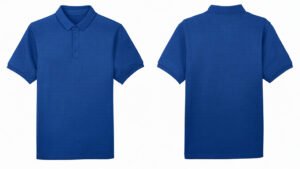
Professional sourcing companies play an important role in maintaining garment quality standards. Among these companies, Simura Fashions has developed strong expertise in global apparel sourcing and production monitoring. As a reliable readymade garments buying house, Simura Fashions supports international buyers throughout the production process. The company works with a network of compliant garment factories across Bangladesh. These factories specialize in producing knitwear garments such as t shirts, polo shirts, sweatshirts, hoodies, sweatpants, polar jackets, and kids clothing.
Simura Fashions coordinates product development, sample production, and factory communication. At the same time, the company conducts strict Garment Quality Control Bangladesh inspections during each stage of production. The company also manages apparel production management by monitoring factory schedules, production capacity, and shipment timelines. Through professional coordination and inspection services, Simura Fashions ensures that international buyers receive high-quality garments that meet their technical specifications.
This support allows buyers to focus on brand development and market expansion while the sourcing company manages production quality.
Factory Audits and Compliance Monitoring
Another important aspect of Garment Quality Control Bangladesh involves factory audits and compliance monitoring. Factory audits evaluate production facilities, labor practices, and operational standards. These audits help sourcing companies determine whether factories meet international manufacturing requirements. International brands require factories to follow strict labor standards and environmental policies. Therefore, sourcing companies carefully select factories that maintain responsible working conditions.
Factory audits typically examine worker safety policies, wage structures, working hours, and environmental management systems. Factories that pass these audits become part of the sourcing company’s approved supplier network. Companies like Simura Fashions prioritize working with compliant garment factories that maintain international certification standards. By selecting responsible manufacturing partners, sourcing companies ensure that garment production remains ethical and sustainable.
Communication Between Buyers and Factories
Clear communication between buyers and factories represents a crucial element of Garment Quality Control Bangladesh. Miscommunication can lead to incorrect garment specifications, production delays, or quality problems. Sourcing companies therefore play a key role in facilitating communication between international buyers and manufacturing factories.
Companies such as Simura Fashions translate buyer requirements into detailed production instructions for factories. They also monitor factory progress and provide regular updates to buyers. This communication ensures that garment specifications remain accurate throughout the production process. By maintaining transparent communication channels, sourcing companies help prevent production misunderstandings and quality problems.
Risk Management in Apparel Production
Garment production involves many potential risks. Fabric supply delays, production errors, and shipment disruptions can affect production schedules. Therefore, Garment Quality Control Bangladesh also includes risk management strategies. Sourcing companies monitor production schedules carefully to prevent delays. They coordinate fabric suppliers, garment factories, and logistics providers to maintain smooth operations.
If production problems occur, sourcing companies quickly implement corrective actions to protect buyer interests. Companies like Simura Fashions manage production risks through careful planning, factory coordination, and continuous quality monitoring. Through these strategies, they ensure reliable apparel production and consistent garment quality.
Sustainable Quality Standards in Garment Quality Control Bangladesh
The global fashion industry now places strong emphasis on sustainability and responsible manufacturing. Buyers no longer focus only on garment price and design. They also expect factories to maintain environmentally responsible production processes and safe working environments. Because of this shift, Garment Quality Control Bangladesh now includes sustainability monitoring as part of the overall quality assurance system. Modern garment factories in Bangladesh increasingly invest in eco-friendly production facilities. Many factories install energy-efficient machinery, water recycling systems, and environmentally responsible dyeing technology. These improvements help factories reduce environmental impact while maintaining high garment quality.
Sustainability also affects product durability and fabric performance. High-quality fabrics often last longer and maintain shape after multiple washes. Therefore sustainable production methods contribute directly to improved garment quality. Products such as t shirts, polo shirts, sweatshirts, hoodies, sweatpants, polar jackets, and kids clothing require careful fabric processing to maintain durability. Sustainable fabric treatment methods help preserve fiber strength and color stability. Because international buyers value responsible manufacturing, sourcing companies such as Simura Fashions prioritize working with environmentally responsible factories. This approach ensures that Garment Quality Control Bangladesh includes both product quality and sustainable manufacturing standards.
Continuous Training and Workforce Development
Human expertise plays a crucial role in garment manufacturing. Even with modern machinery, skilled workers remain essential for maintaining high production standards. Therefore workforce training represents a vital component of Garment Quality Control Bangladesh. Garment workers must understand production techniques, sewing methods, and quality inspection procedures. When factories invest in training programs, workers develop better technical skills and production accuracy. Training programs often focus on sewing techniques, fabric handling, machine maintenance, and quality inspection procedures. These programs help workers identify production defects and maintain consistent garment quality.
Garments such as half sleeve tee shirt, full sleeve contrast raglan tee shirt, men’s polo shirt, women’s pure cotton polo shirt, sweatshirts, and hoodies require careful sewing techniques to maintain garment structure. When workers understand production requirements clearly, they can produce garments with consistent quality and minimal defects. Professional sourcing companies like Simura Fashions encourage factories to maintain strong training programs. By supporting workforce development, sourcing companies strengthen apparel production management systems and improve overall manufacturing performance.
Importance of Communication in Quality Control
Clear communication between buyers, factories, and sourcing companies remains essential for maintaining garment quality. Production requirements must remain consistent from the beginning of the project to the final shipment stage. Therefore Garment Quality Control Bangladesh depends heavily on effective communication systems. When buyers provide detailed product specifications, factories can produce garments accurately. These specifications often include fabric composition, garment measurements, stitching methods, labeling requirements, and packaging standards. Sourcing companies translate these specifications into production instructions that factories can follow easily. This communication ensures that garment production remains aligned with buyer expectations.
Communication becomes particularly important when producing products such as men’s round neck pure cotton tee shirt, women’s v neck cotton tee shirt, polo shirts, sweatshirts, hoodies, and sweatpants. If communication gaps occur, factories may produce garments that differ from the buyer’s design requirements. Companies such as Simura Fashions maintain transparent communication channels between buyers and factories. Through continuous updates and production monitoring, they ensure that garment quality remains consistent throughout the production cycle.
Global Market Expectations for Apparel Quality
International apparel markets maintain strict quality expectations. Retailers and fashion brands must ensure that garments meet consumer expectations for durability, comfort, and design accuracy. Because of this, Garment Quality Control Bangladesh must meet global market standards. Consumers purchasing garments such as t shirts for men, t shirts for women, polo shirts, sweatshirts, hoodies, and kids tee shirts expect consistent sizing, durable stitching, and comfortable fabrics.
If garment quality fails to meet these expectations, brands risk losing customer trust. To avoid these problems, apparel brands rely on professional sourcing partners who can manage quality control effectively. Companies such as Simura Fashions help international buyers maintain high garment quality by coordinating factories, supervising production, and conducting professional inspections. Through careful Buying House Quality Inspection, sourcing companies ensure that garments satisfy international quality expectations.
Future of Garment Quality Control Bangladesh
The garment industry continues to evolve as technology and global market demands change. Future production systems will rely increasingly on automation, digital monitoring, and advanced manufacturing techniques. These innovations will further strengthen Garment Quality Control Bangladesh. Digital inspection systems will allow factories to track garment defects more accurately. Automated sewing machines will improve production precision. Data analytics will help production managers monitor quality performance across multiple production lines.
Technology will also improve communication between buyers and factories. Digital platforms will allow sourcing companies to share production reports and inspection results instantly. At the same time, sustainability will continue to shape garment manufacturing practices. International buyers increasingly demand eco-friendly production processes and responsible labor standards. Because of these trends, Bangladesh garment factories will continue investing in modern production technology and sustainable manufacturing systems. Sourcing companies such as Simura Fashions will remain essential partners for international buyers who require reliable quality control and professional apparel sourcing Bangladesh services.
Why Global Buyers Trust Simura Fashions

Global apparel buyers often face challenges when sourcing garments internationally. They must evaluate factories, manage production schedules, monitor quality standards, and coordinate export logistics. Working directly with factories can be difficult, especially when buyers operate in different countries and time zones. For this reason, many brands prefer working with experienced sourcing companies that specialize in Garment Quality Control Bangladesh. Simura Fashions has developed strong expertise in global apparel sourcing and quality control management. As a professional readymade garments buying house, the company supports international buyers throughout the entire garment production process.
Simura Fashions works with reliable compliant garment factories that specialize in producing knitwear garments such as t shirts, polo shirts, sweatshirts, hoodies, sweatpants, polar jackets, and kids clothing. The company manages product development, sample production, fabric sourcing, and factory communication. At the same time, Simura Fashions conducts strict Buying House Quality Inspection procedures during every stage of production. Through these services, the company ensures that international buyers receive garments that meet their design specifications, quality expectations, and delivery schedules.
Conclusion
Quality control represents the foundation of successful garment manufacturing. Without effective quality management systems, factories cannot maintain consistent product standards. In global apparel markets, consistent quality directly affects brand reputation and customer satisfaction. Therefore Garment Quality Control Bangladesh has become a crucial part of international apparel sourcing. The garment production process involves multiple stages including fabric inspection, cutting supervision, sewing monitoring, finishing evaluation, and final shipment inspection. Each stage contributes to the overall quality of the finished garment.
Professional sourcing companies play an essential role in managing these quality control systems. Companies such as Simura Fashions coordinate factories, monitor production processes, and conduct detailed inspections throughout garment production. Through strong apparel production management, reliable Buying House Quality Inspection, and collaboration with compliant garment factories, sourcing companies help international buyers maintain consistent garment quality. Bangladesh will continue to remain one of the world’s leading apparel manufacturing hubs. With strong textile infrastructure, skilled workers, and modern production systems, the country offers reliable garment manufacturing for global fashion brands.
When international buyers partner with experienced sourcing companies like Simura Fashions, they gain access to professional production management and effective Garment Quality Control Bangladesh systems. Through careful quality control, responsible manufacturing practices, and professional sourcing expertise, Bangladesh continues to deliver high-quality garments to global markets.
Frequently Asked Questions (FAQs)
1. What is Garment Quality Control Bangladesh?
Garment Quality Control Bangladesh refers to the structured inspection and monitoring process used in garment manufacturing to ensure that apparel products meet international quality standards. This process includes fabric inspection, production monitoring, measurement verification, finishing inspection, and shipment approval. Bangladesh has developed advanced quality control systems because it exports large volumes of garments such as t shirts, polo shirts, sweatshirts, hoodies, sweatpants, and kids clothing to global markets.
2. Why is quality control important in garment production?
Quality control ensures that garments meet design specifications, fabric standards, and buyer requirements. Without effective quality control, factories may produce garments with defects such as incorrect sizing, stitching errors, or fabric problems. Through Garment Quality Control Bangladesh, sourcing companies and factories ensure that products maintain consistent quality and meet global retail standards.
3. What role does a buying house play in garment quality inspection?
A buying house acts as a bridge between international buyers and garment factories. It manages production coordination, factory communication, and quality inspection. Through professional Buying House Quality Inspection, companies such as Simura Fashions monitor garment production and ensure that factories follow buyer specifications.
4. What stages are included in garment quality control?
Garment quality control typically includes fabric inspection, cutting stage inspection, sewing line inspection, finishing inspection, measurement verification, and final shipment inspection. These stages together form the complete system of Garment Quality Control Bangladesh, ensuring that garments meet international quality expectations.
5. How do factories check fabric quality before production?
Factories inspect fabric before cutting begins. Inspectors check for defects such as holes, color inconsistencies, and uneven knitting. Fabric shrinkage and color fastness tests may also be conducted. These inspections ensure that fabrics used for products such as round neck tee shirts, polo shirts, hoodies, and sweatshirts meet buyer requirements.
6. What is in-line inspection in garment manufacturing?
In-line inspection occurs during the sewing stage. Inspectors monitor production lines and check garments for stitching accuracy, seam alignment, and measurement consistency. This inspection method helps factories detect defects early during Garment Quality Control Bangladesh.
7. What is final random inspection?
Final random inspection occurs after production is completed but before shipment. Inspectors randomly select garments from the production batch and evaluate quality, measurements, labeling, and packaging. This inspection confirms that the entire order meets buyer specifications.
8. What types of garments require strict quality control?
All garments require quality control, but knitwear garments such as t shirts, polo shirts, sweatshirts, hoodies, sweatpants, and polar jackets require particularly careful monitoring because fabric elasticity and sewing accuracy affect garment fit and durability.
9. What are compliant garment factories?
Compliant garment factories follow international labor, safety, and environmental standards. These factories often operate under certifications such as BSCI, WRAP, or ISO. Working with compliant factories ensures responsible manufacturing and reliable quality standards.
10. How does apparel production management support quality control?
Apparel production management coordinates the entire manufacturing process. Production managers supervise fabric supply, cutting operations, sewing production, and finishing procedures. Effective management ensures that quality control procedures operate smoothly throughout the production cycle.
11. Why do international brands source garments from Bangladesh?
Bangladesh offers competitive production costs, skilled workers, modern textile infrastructure, and efficient export logistics. In addition, strong Garment Quality Control Bangladesh systems ensure that garments meet global quality standards.
12. How does Simura Fashions support garment quality control?
Simura Fashions operates as a professional readymade garments buying house that manages apparel sourcing and quality inspection. The company coordinates factory communication, monitors production lines, and performs Buying House Quality Inspection throughout the manufacturing process.
13. What is fabric shrinkage testing in garment production?
Fabric shrinkage testing measures how much fabric changes size after washing. This test helps manufacturers adjust garment patterns to maintain accurate sizing. Shrinkage testing is important for garments such as cotton tee shirts, hoodies, sweatshirts, and sweatpants.
14. How do factories maintain color consistency in garments?
Factories maintain color consistency by using approved dye formulas and comparing finished garments with buyer-approved color samples. Color tests such as wash tests and rubbing tests ensure that garment colors remain stable during use.
15. What are common garment defects inspectors look for?
Quality inspectors check for several types of defects including stitching errors, fabric holes, measurement inconsistencies, color differences, loose threads, and printing defects. These inspections help maintain strong Garment Quality Control Bangladesh systems.
16. How does technology improve garment quality control?
Modern factories use digital inspection tools, automated cutting machines, and digital measurement devices. These technologies improve production accuracy and allow sourcing companies to monitor quality performance more efficiently.
17. How does packaging inspection affect garment quality?
Packaging inspection ensures that garments are folded correctly, labeled properly, and packed in correct quantities. This step helps retailers manage inventory efficiently and ensures that shipments arrive in perfect condition.
18. What garments does Bangladesh specialize in producing?
Bangladesh specializes in producing knitwear garments such as t shirts, polo shirts, sweatshirts, hoodies, sweatpants, polar jackets, and kids clothing. Many international brands rely on Bangladesh for these products because of strong Garment Quality Control Bangladesh systems.
19. How can international buyers ensure quality when sourcing garments?
International buyers often work with professional sourcing companies such as Simura Fashions. These companies manage factory selection, monitor production, and conduct professional inspections to ensure reliable garment quality.
20. Why should brands work with a sourcing company like Simura Fashions?
Working with a sourcing company simplifies international garment sourcing. Companies like Simura Fashions provide factory coordination, quality control monitoring, and production management. Through professional Garment Quality Control Bangladesh, buyers receive high-quality garments that meet global standards.
Contact Us
Call to Us: We’re here whenever you need us +88 01872657718, +88 01630-438587
Write to Us: simurafashions@simuragroup.com
Our Location: 109 Masjid Road, Old DOHS, Banani, Dhaka, Bangladesh.